
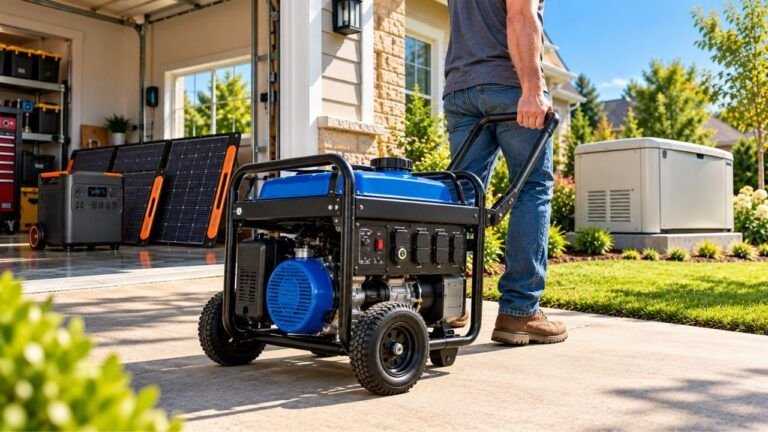
If you are looking for the best generators for home backup, you need reliable power when an outage strikes. Whether it’s keeping your refrigerator running or powering essential household...
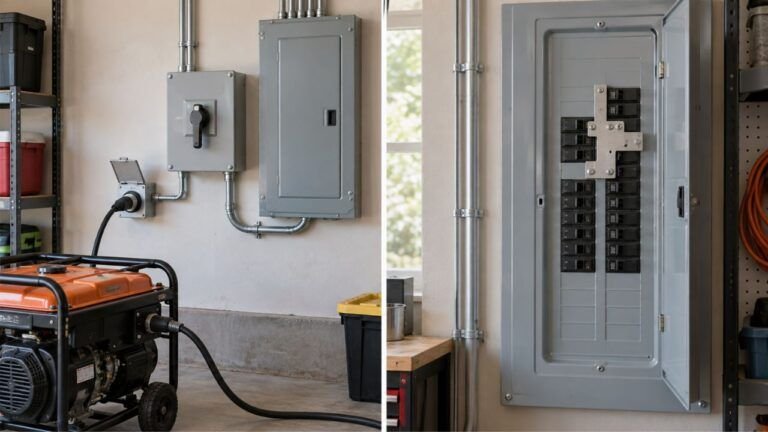
A generator interlock kit is usually better for homeowners wanting an affordable, flexible portable-generator connection. A transfer switch is often better when you want easier load control, dedicated...
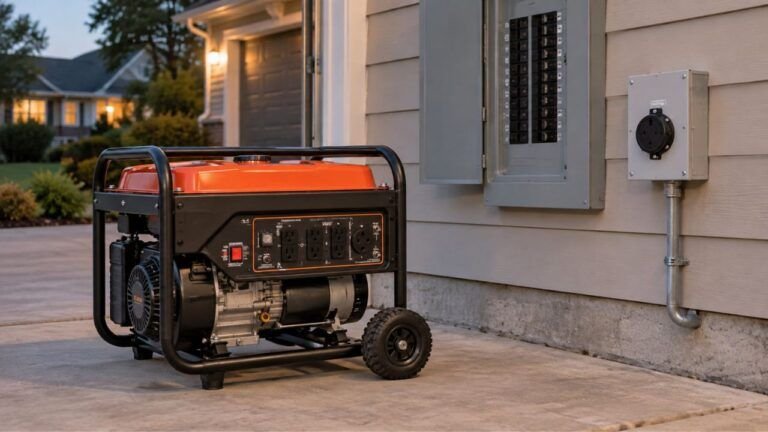
You do not need a transfer switch if you only plug appliances directly into a portable generator. However, you need approved transfer equipment when connecting generator power to your home’s...
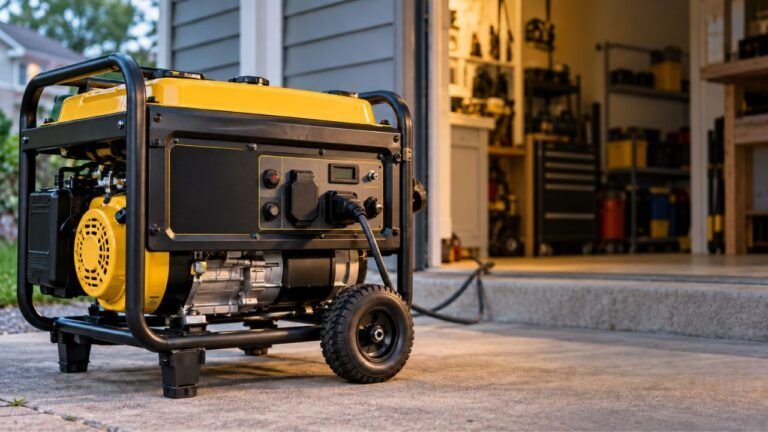
Starting watts are the temporary extra power a generator provides when motor-driven appliances start. Running watts are the continuous power it can supply while appliances operate normally. Your...
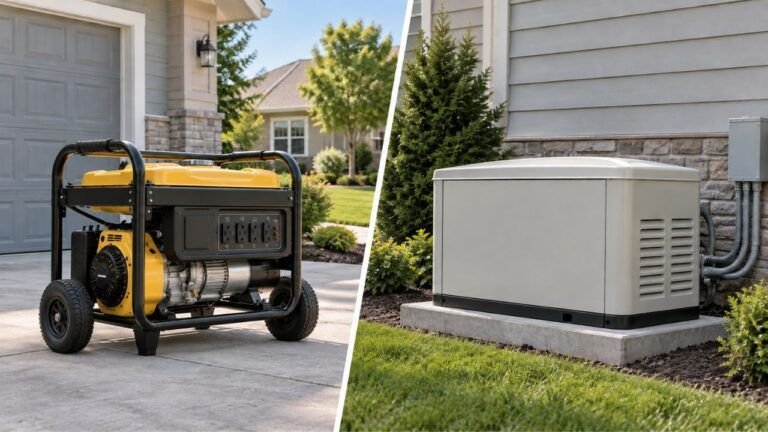
A portable generator is usually better for affordable, occasional home backup. A standby generator is better for automatic, higher-capacity, long-term outage protection. Your best choice depends on...
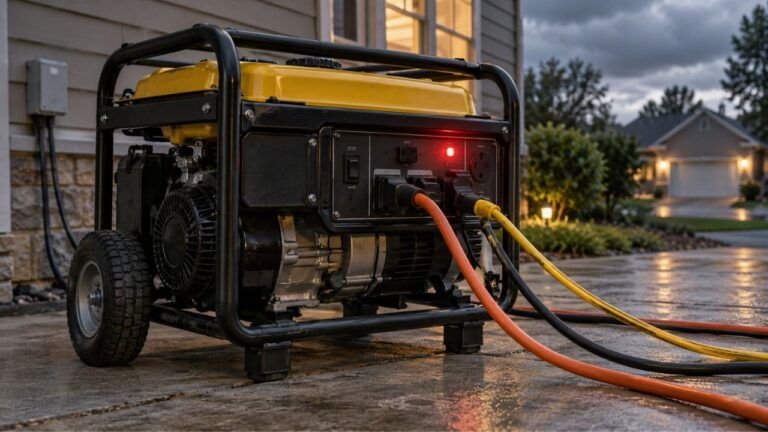
When a generator is overloaded, connected appliances demand more power than it can safely supply. The engine may bog down, voltage can become unstable, breakers may trip, or the generator may shut off...

A 30-amp 120/240V generator connection can handle up to 7,200 watts, while a 50-amp connection can handle up to 12,000 watts. For most homes, 30 amps works well for essential circuits. A 50-amp setup...

A 120/240V generator can supply both 120-volt and 240-volt electricity. It normally uses two 120V hot legs. Either hot leg provides 120V to neutral. Using both hot legs together provides approximately...
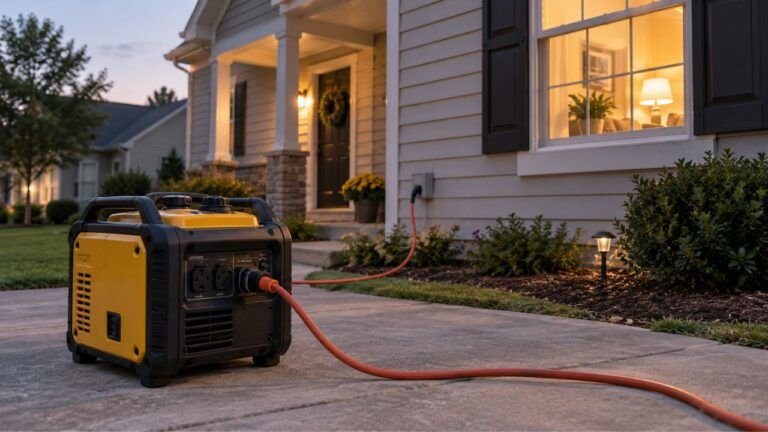
Yes, a 120V generator can power many essential parts of a house. It can run refrigerators, lights, routers, televisions, and other 120V loads. However, it cannot directly power normal 240V household...