
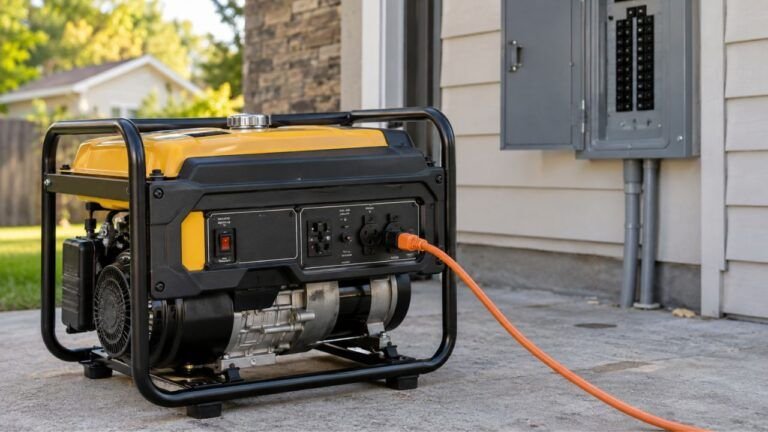
Your generator keeps tripping the breaker because something is demanding unsafe electrical current. Common causes include overloads, startup surges, short circuits, ground faults, damaged cords...
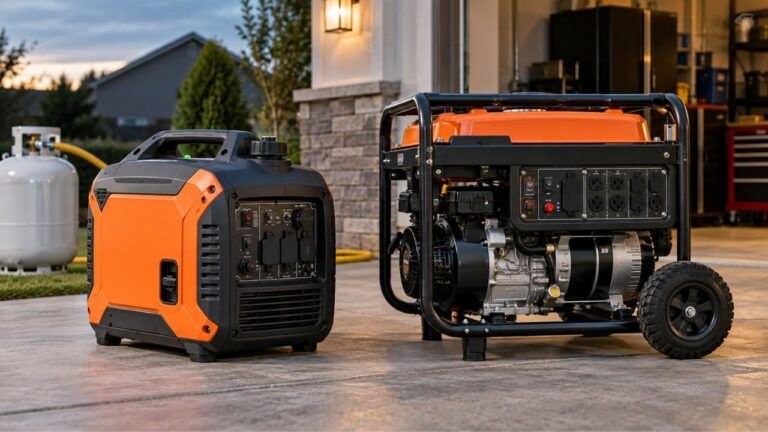
A tri-fuel inverter generator is usually better for clean power, quieter operation, and improved fuel efficiency. A tri-fuel conventional generator often gives you more raw wattage for less money...
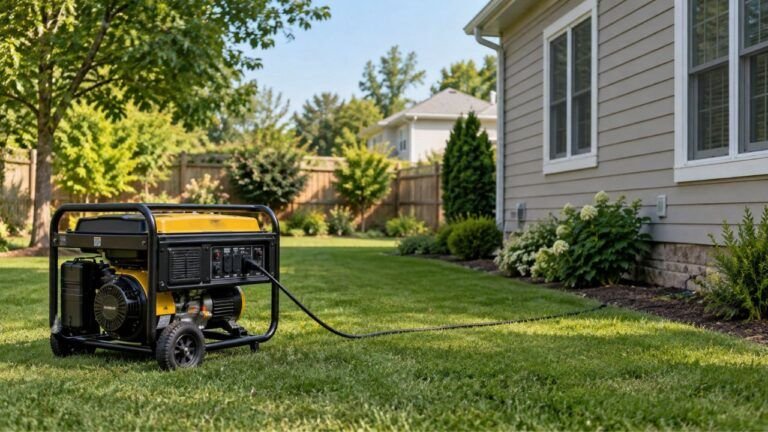
A portable generator should generally stay at least 20 feet from your house, running outdoors with the exhaust pointed away from windows, doors, vents, and other openings. More distance can provide an...
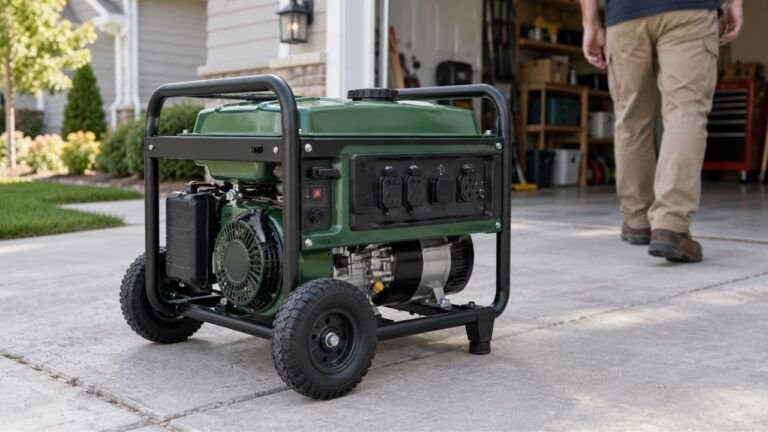
A transfer switch ready generator has an electrical output designed for connection to compatible transfer equipment. On portable generators, this usually means a suitable 30-amp or 50-amp receptacle...
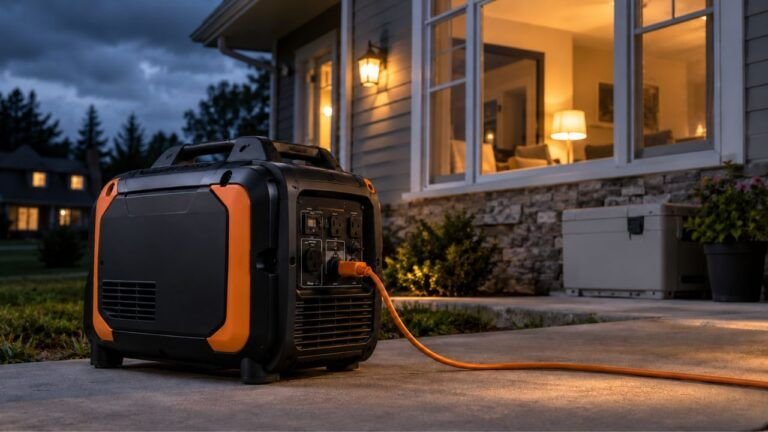
Yes, inverter generators are good for home backup. They provide clean power, quieter operation, and better fuel efficiency. However, the right model depends on your appliances, starting watts, voltage...
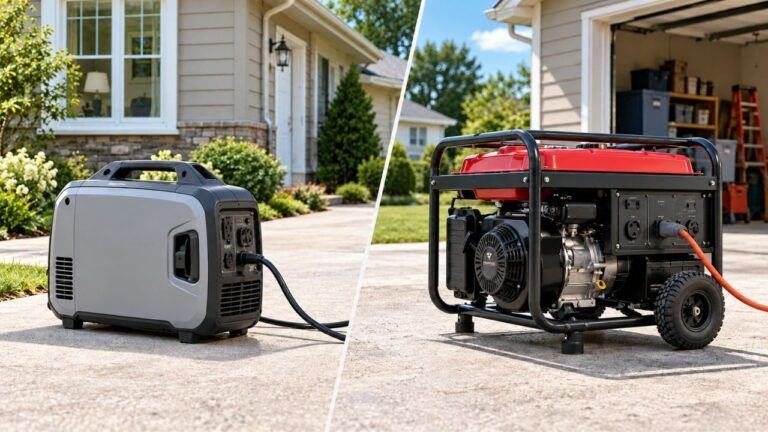
An inverter generator is usually better for home backup when you value quiet operation, lower fuel use, and clean power. A conventional generator often makes more sense when you need higher wattage at...
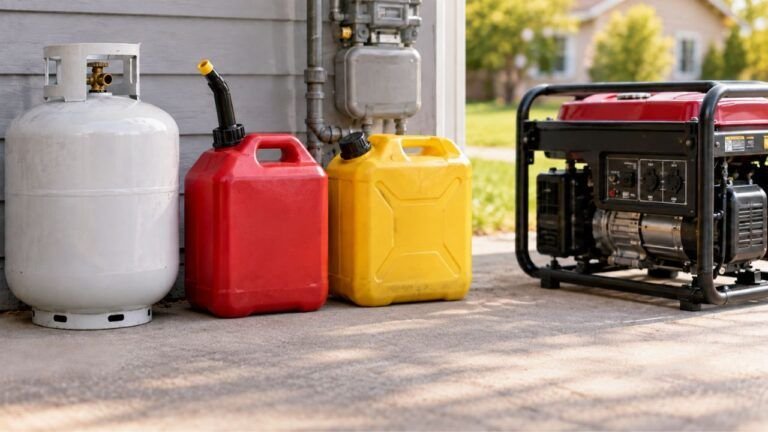
Propane lasts the longest in storage among common generator fuels. Properly contained propane does not normally become stale over time. Diesel generally stores better than gasoline but needs...
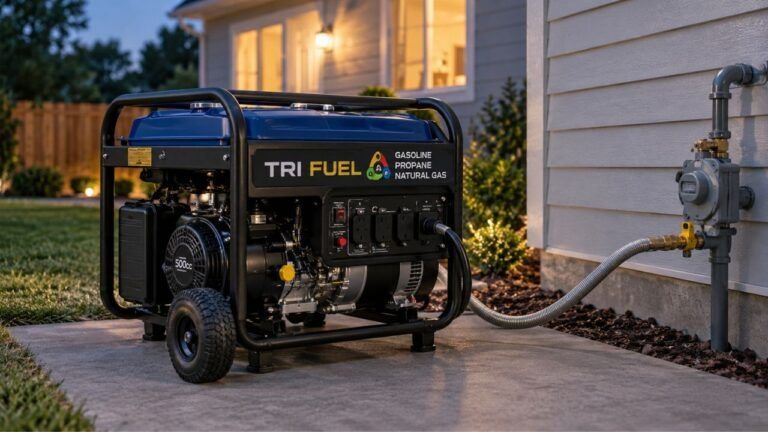
Yes, a tri-fuel generator can run on natural gas continuously for extended periods when connected to a properly sized gas supply. However, continuous fuel does not mean the engine can run forever. You...
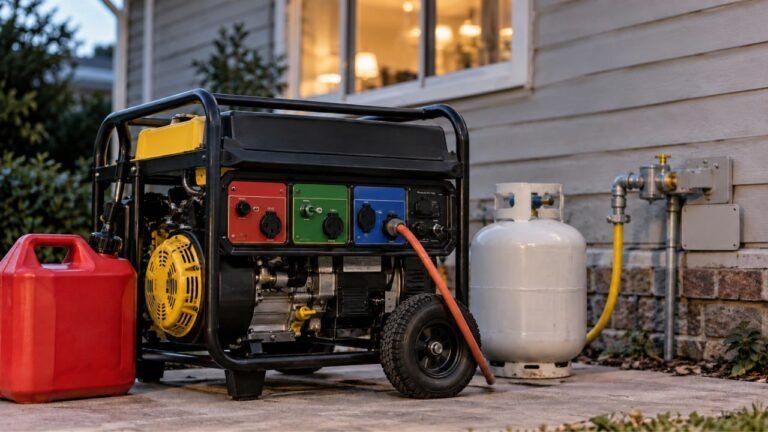
Yes, tri-fuel generators usually produce less power on propane and natural gas. Gasoline normally provides the highest available wattage. Propane produces slightly less, while natural gas usually...