
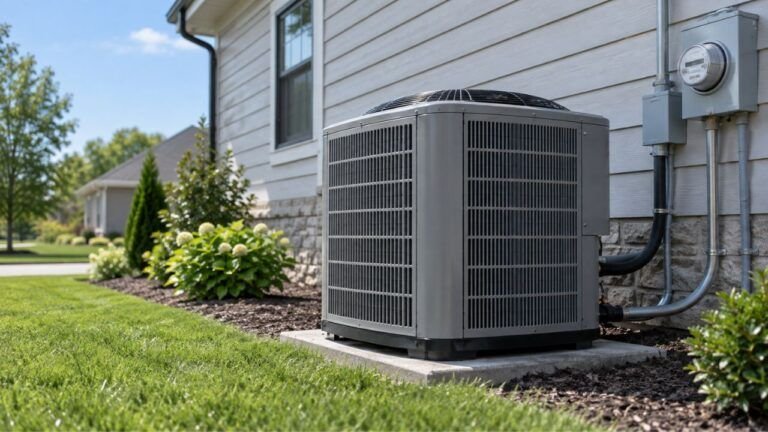
A typical residential central air conditioner needs about 2,000 to 5,000 watts while running. A common 3-ton system often uses roughly 2,500 to 3,500 running watts. However, startup demand can briefly...
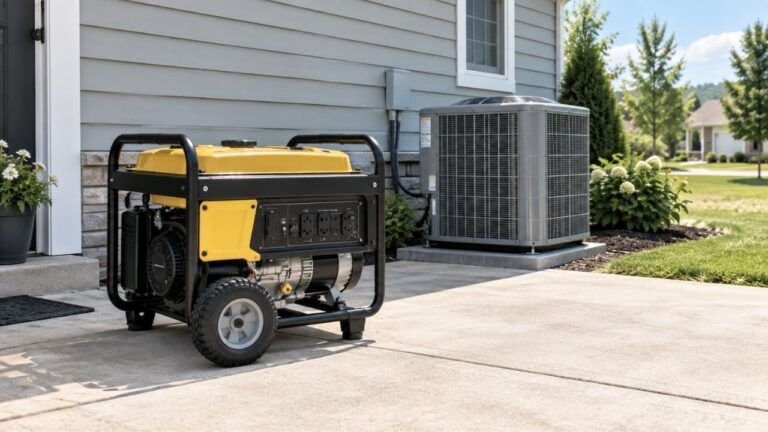
Yes, a generator can run an air conditioner successfully. However, the generator must supply enough running power, starting power, and correct voltage for your specific AC system. The right setup...
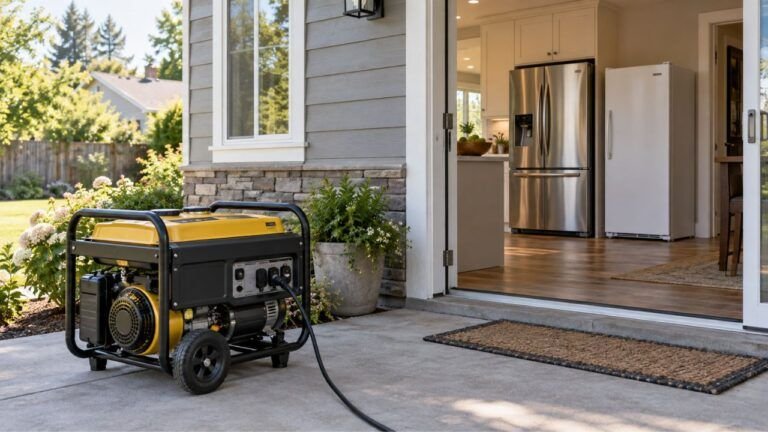
Yes, a generator can run a refrigerator and freezer together. For many homes, a 2,200- to 3,500-watt generator provides enough capacity. A 3,500- to 4,500-watt generator offers more comfortable...
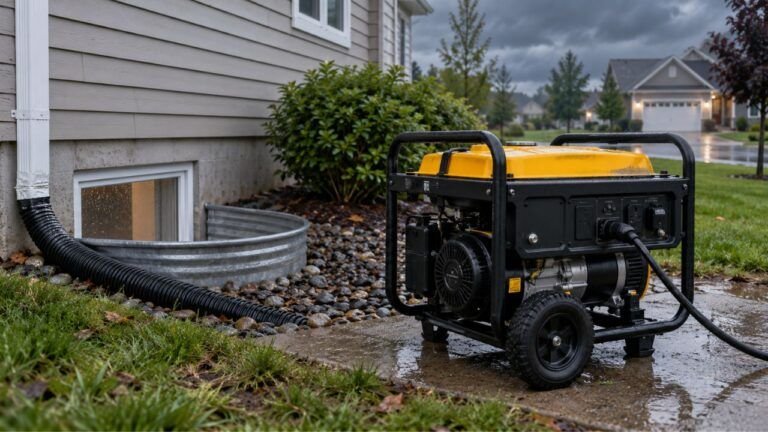
Most residential sump pumps need a generator with about 2,000 to 4,500 starting watts, depending on the pump size and motor. A 1/3 HP sump pump often works with a 2,000–3,000W generator. A 1/2 HP pump...
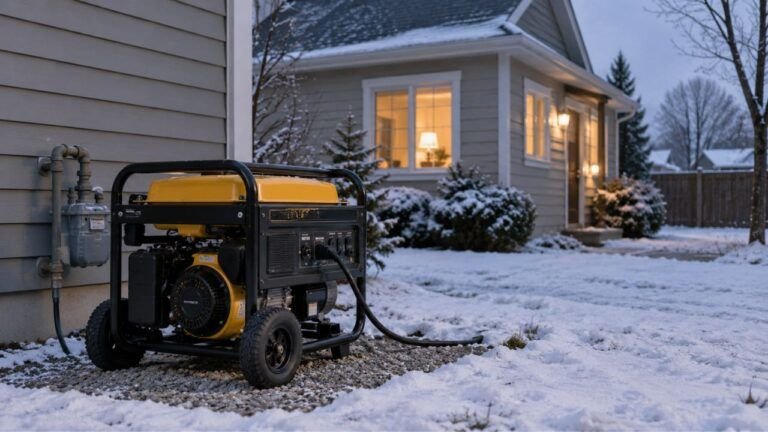
Most residential gas furnaces can run on a 2,500- to 3,500-watt generator when the furnace is the main load. Many furnace blowers use about 300 to 900 running watts and may need roughly 500 to 2,350...
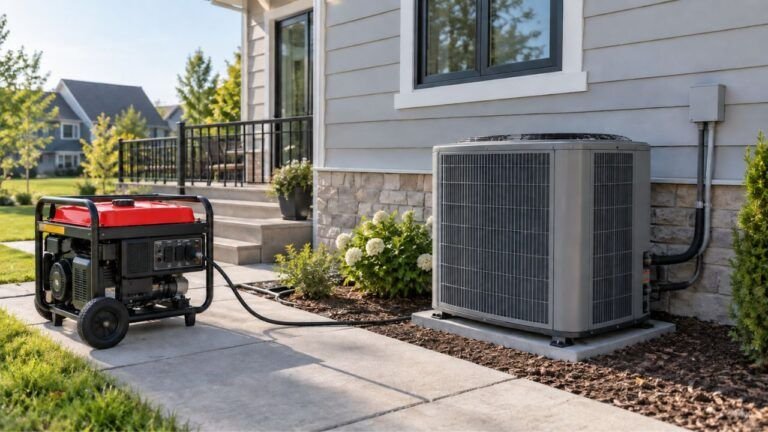
Yes, a generator can run a heat pump. However, the generator must supply enough continuous power, startup capacity, and the correct voltage. Fixed-speed heat pumps usually need more starting power...
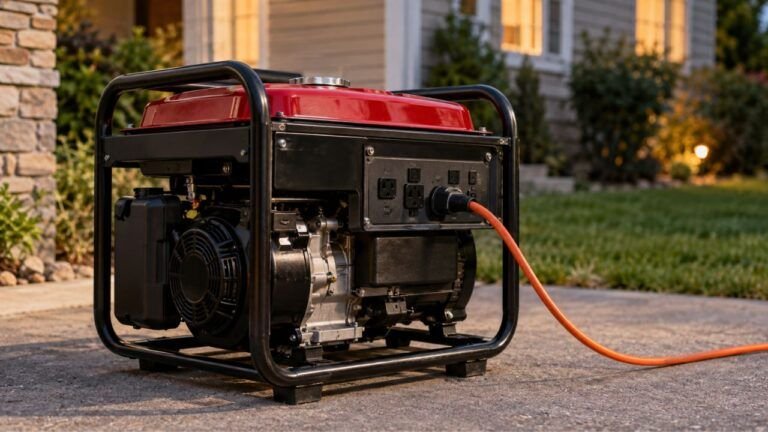
A generator can start and run normally but produce no power because the engine and electrical system work separately. Common causes include a tripped breaker, GFCI protection, bad connections, lost...
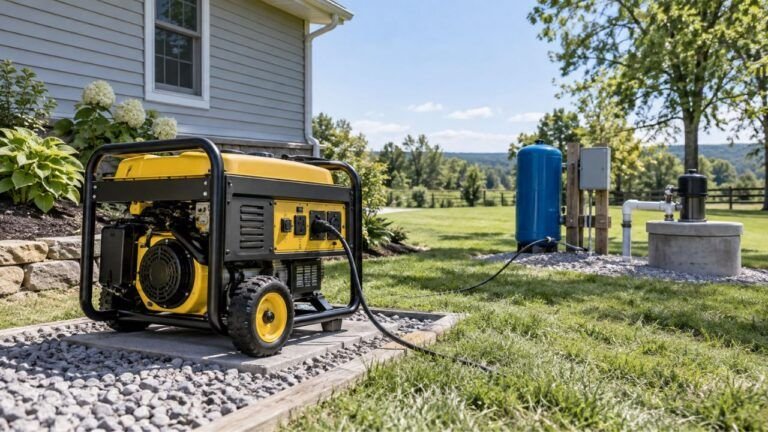
A typical residential well pump may need a 2,000- to 7,500-watt generator, depending on the pump’s horsepower, voltage, motor design, and starting demand. A 1 HP well pump, for example, may need...
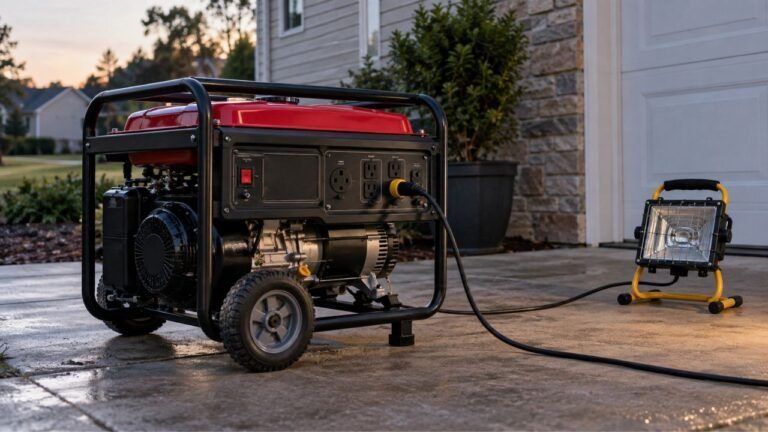
A generator that starts and then shuts off usually has a fuel, oil, airflow, choke, overload, ignition, or safety-sensor problem. The exact cause often becomes easier to identify by noticing how long...