
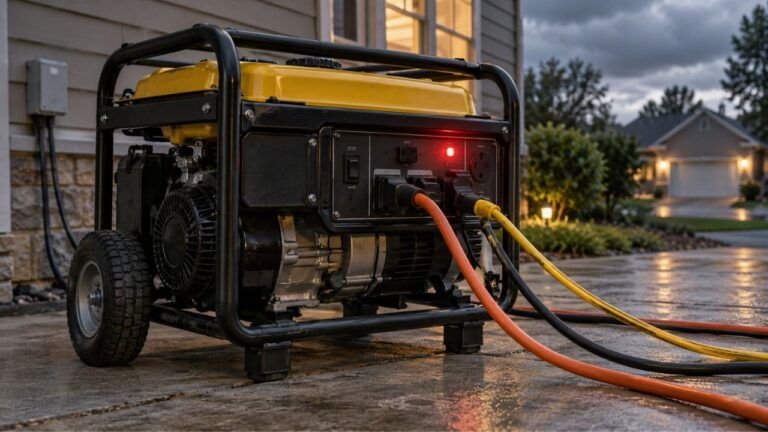
When a generator is overloaded, connected appliances demand more power than it can safely supply. The engine may bog down, voltage can become unstable, breakers may trip, or the generator may shut off...

A 30-amp 120/240V generator connection can handle up to 7,200 watts, while a 50-amp connection can handle up to 12,000 watts. For most homes, 30 amps works well for essential circuits. A 50-amp setup...

A 120/240V generator can supply both 120-volt and 240-volt electricity. It normally uses two 120V hot legs. Either hot leg provides 120V to neutral. Using both hot legs together provides approximately...
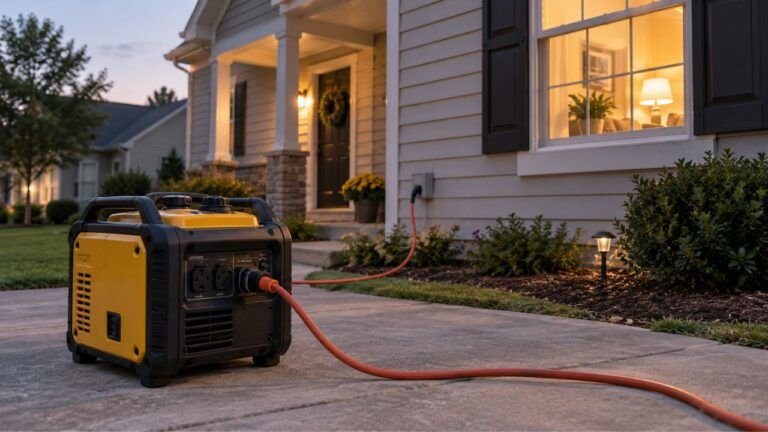
Yes, a 120V generator can power many essential parts of a house. It can run refrigerators, lights, routers, televisions, and other 120V loads. However, it cannot directly power normal 240V household...
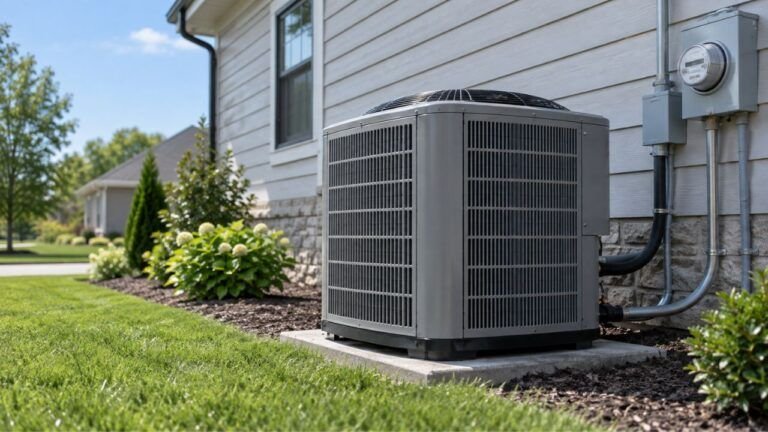
A typical residential central air conditioner needs about 2,000 to 5,000 watts while running. A common 3-ton system often uses roughly 2,500 to 3,500 running watts. However, startup demand can briefly...
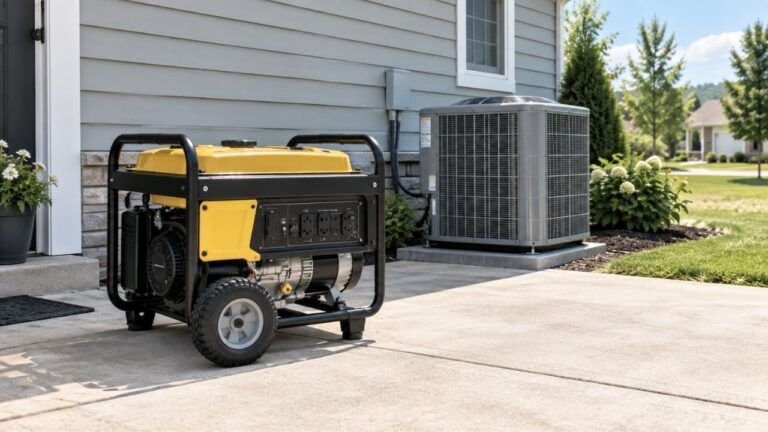
Yes, a generator can run an air conditioner successfully. However, the generator must supply enough running power, starting power, and correct voltage for your specific AC system. The right setup...
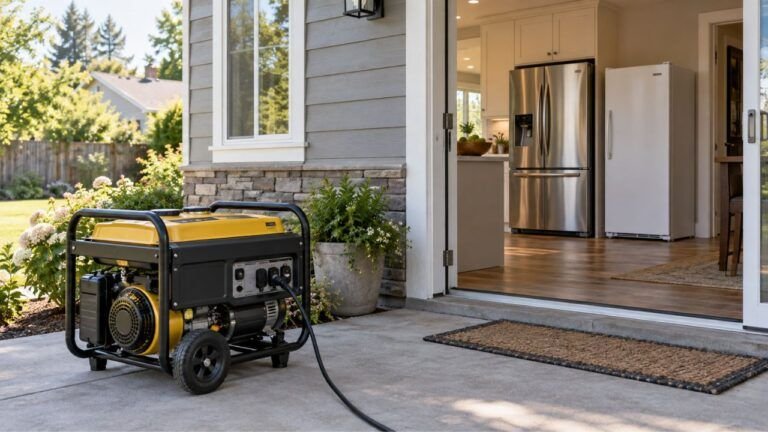
Yes, a generator can run a refrigerator and freezer together. For many homes, a 2,200- to 3,500-watt generator provides enough capacity. A 3,500- to 4,500-watt generator offers more comfortable...
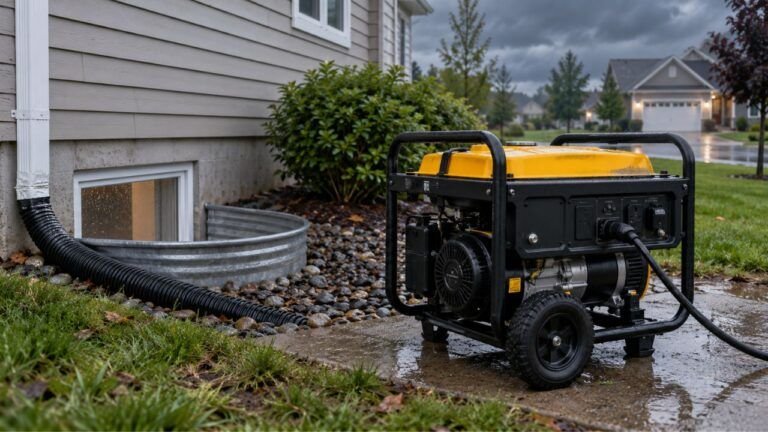
Most residential sump pumps need a generator with about 2,000 to 4,500 starting watts, depending on the pump size and motor. A 1/3 HP sump pump often works with a 2,000–3,000W generator. A 1/2 HP pump...
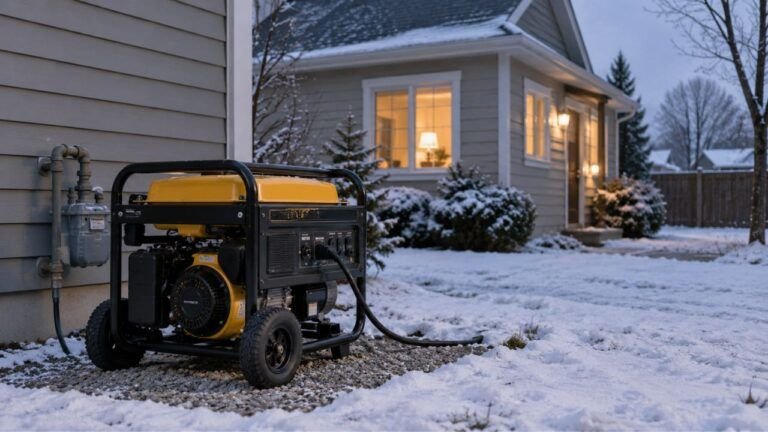
Most residential gas furnaces can run on a 2,500- to 3,500-watt generator when the furnace is the main load. Many furnace blowers use about 300 to 900 running watts and may need roughly 500 to 2,350...