
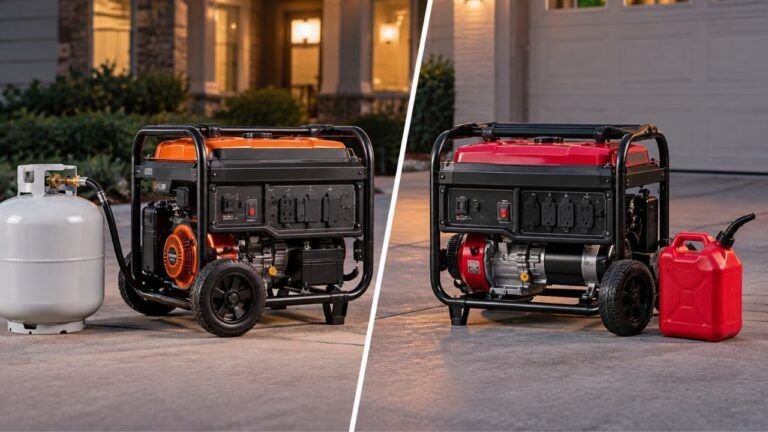
A dual fuel generator is usually better than a gas generator for home backup when you want more fuel flexibility during an outage. It can run on gasoline or propane, while a gas generator depends...
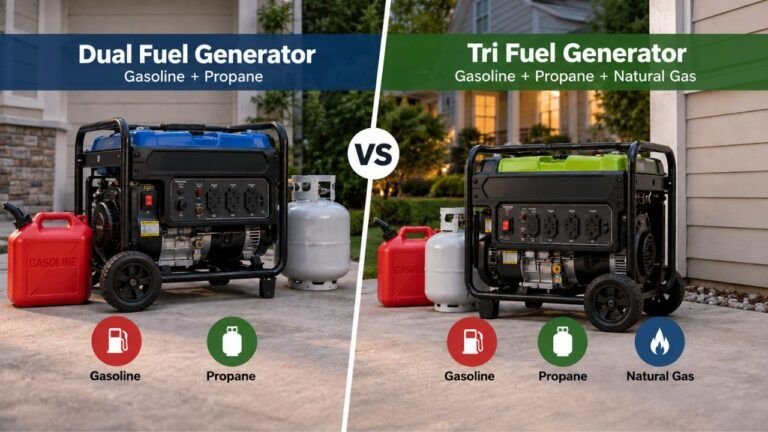
A dual fuel generator uses gasoline and propane, while a tri fuel generator adds natural gas. For home backup, tri fuel usually makes more sense when you already have natural gas service and expect...

A 22kW generator can run most of a typical home’s electrical needs, including central air conditioning, refrigerators, freezers, lights, furnace equipment, pumps, kitchen appliances...

Yes, a 15,000-watt generator can run many whole houses during an outage. It can usually handle essential appliances, pumps, lighting, electronics, and even central air. However, an all-electric house...
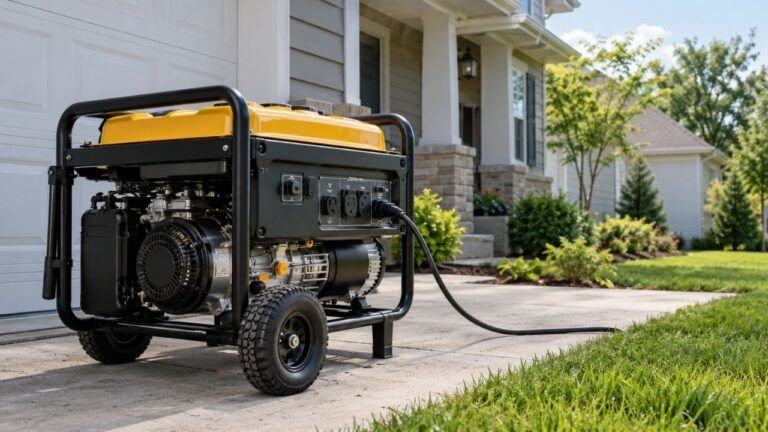
Yes, a 12,000-watt generator can run much of a typical house during an outage. A true 12,000-running-watt generator can handle essential appliances, pumps, lighting, electronics, and sometimes central...
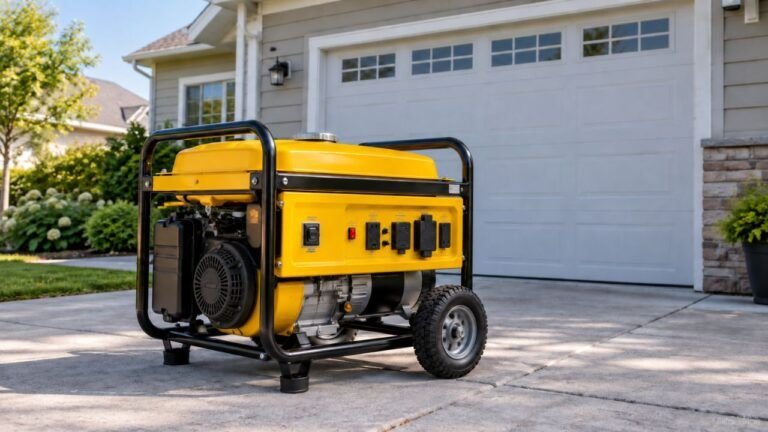
Yes, a 10,000-watt generator can run a house during an outage. It can usually power essential appliances, pumps, lighting, electronics, and selected HVAC equipment. However, it may not run every large...
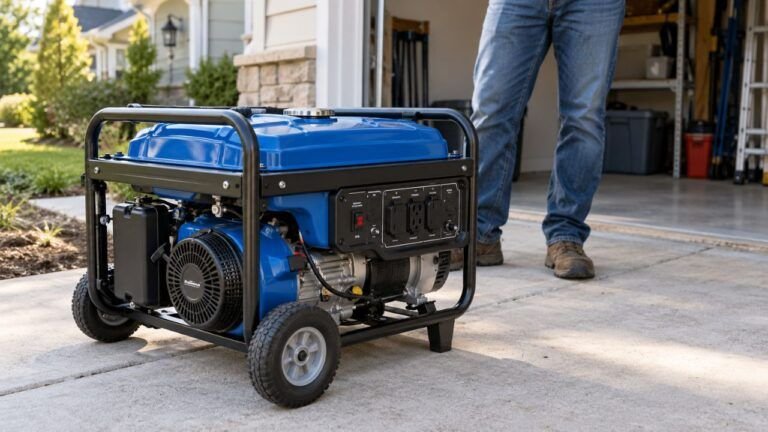
Yes, a portable generator can power a whole house if it produces enough running and starting wattage. However, powering your electrical panel does not mean you can run every appliance simultaneously...
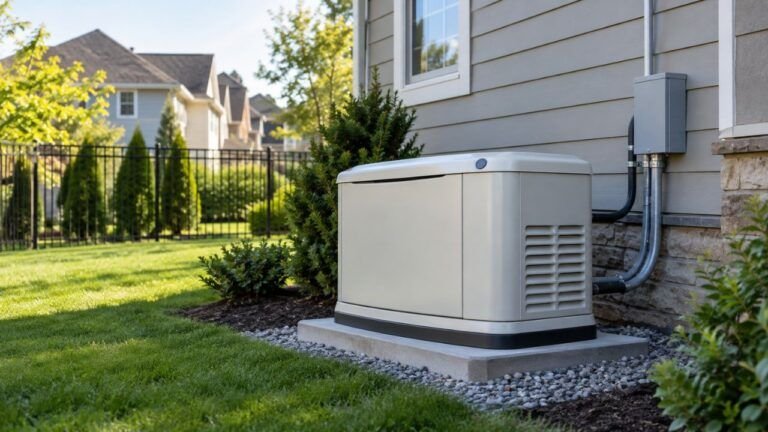
Most homes need around 3,000 to 7,500 watts to keep essential appliances running during an outage. If you want broader backup, including pumps, cooking appliances, or air conditioning, you may need...
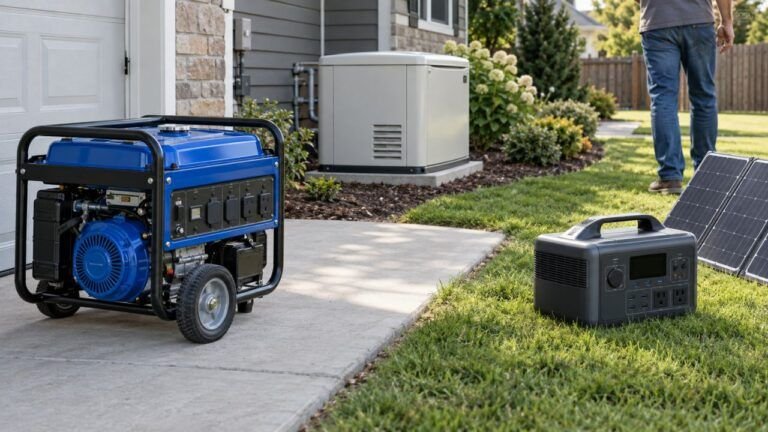
For most homes, a 5,000 to 7,500-watt generator can cover essential appliances during an outage. If you want broader or whole-house backup, you may need 14 to 26 kW or more, depending on your HVAC...