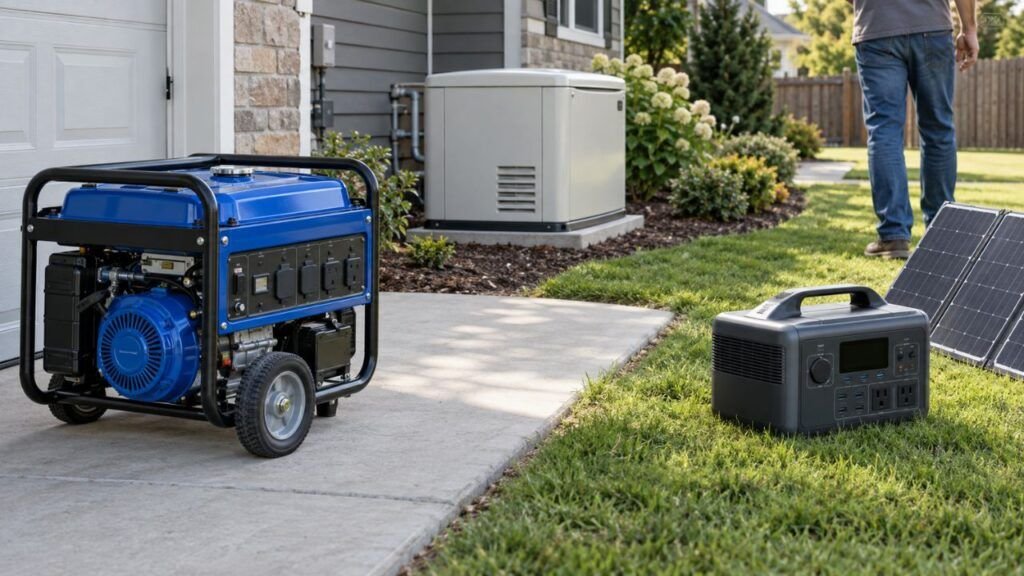
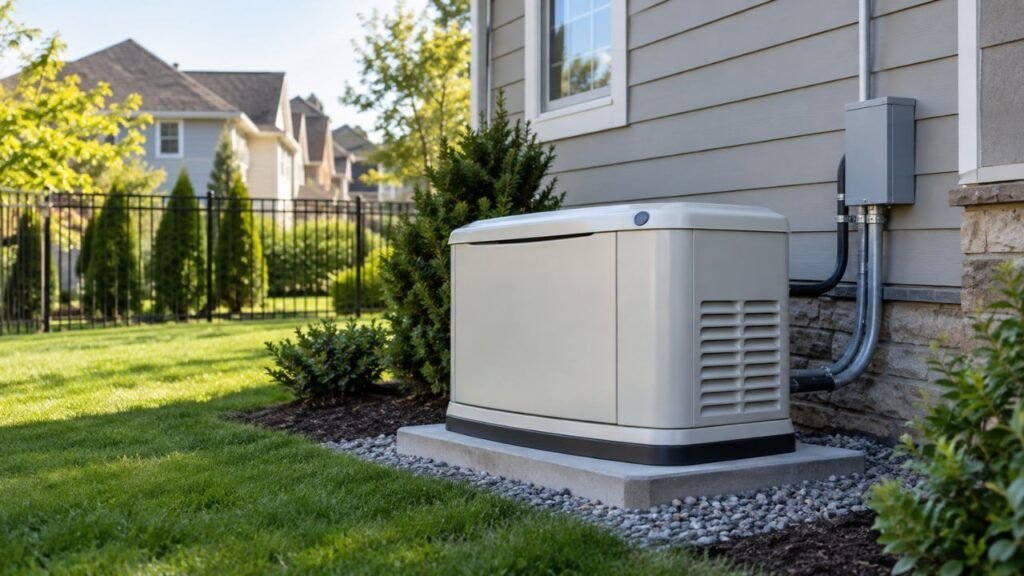
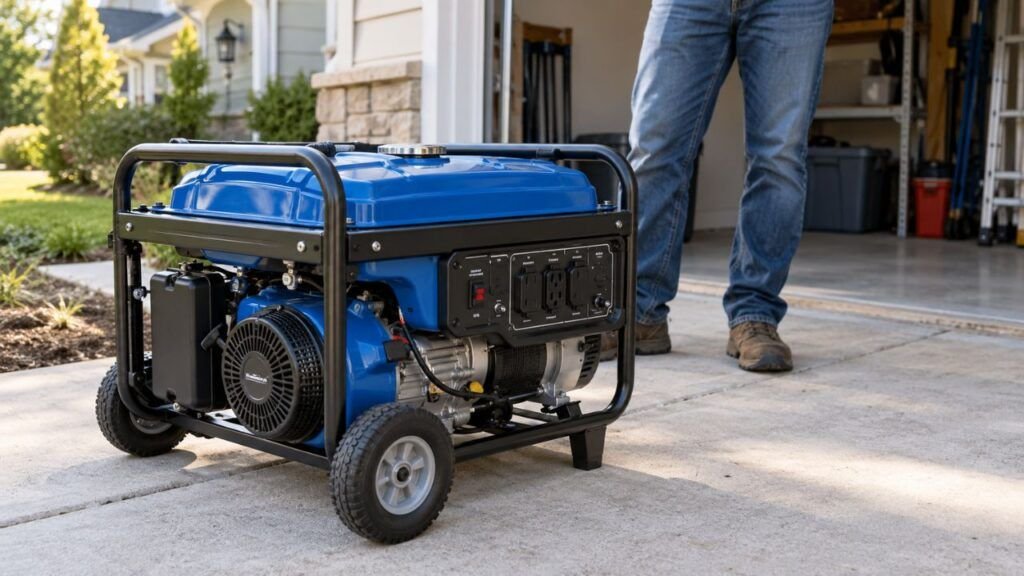
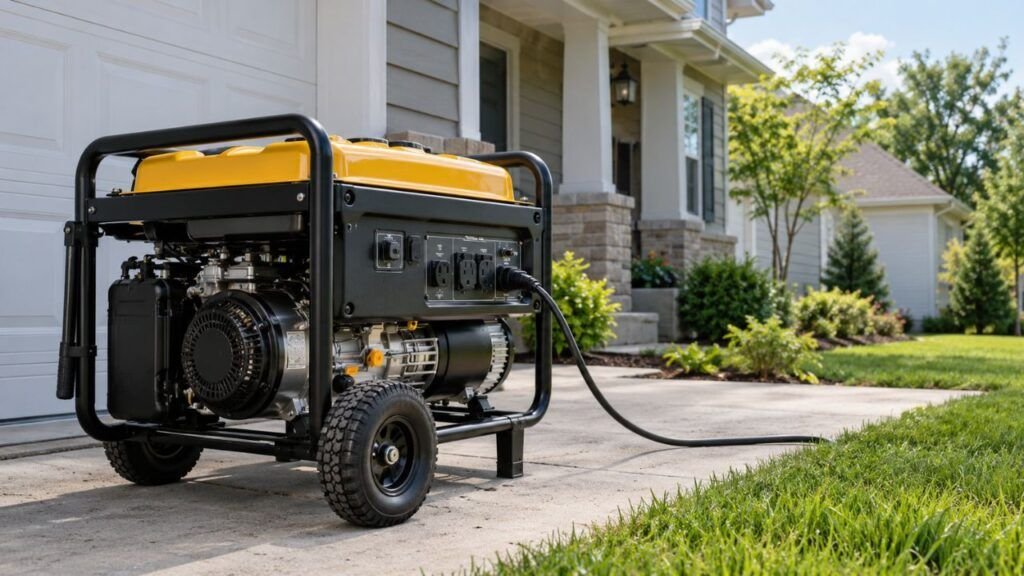
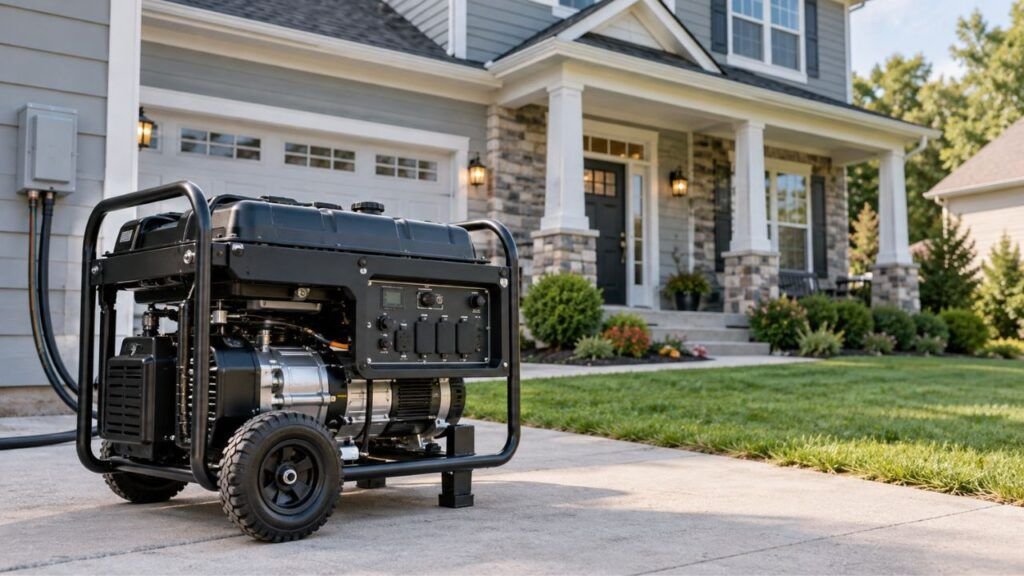
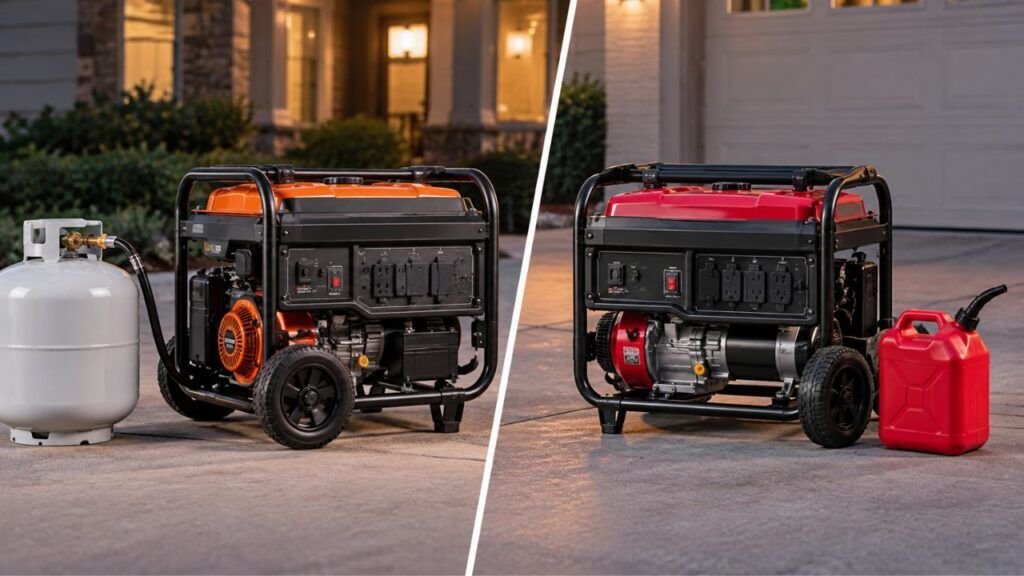
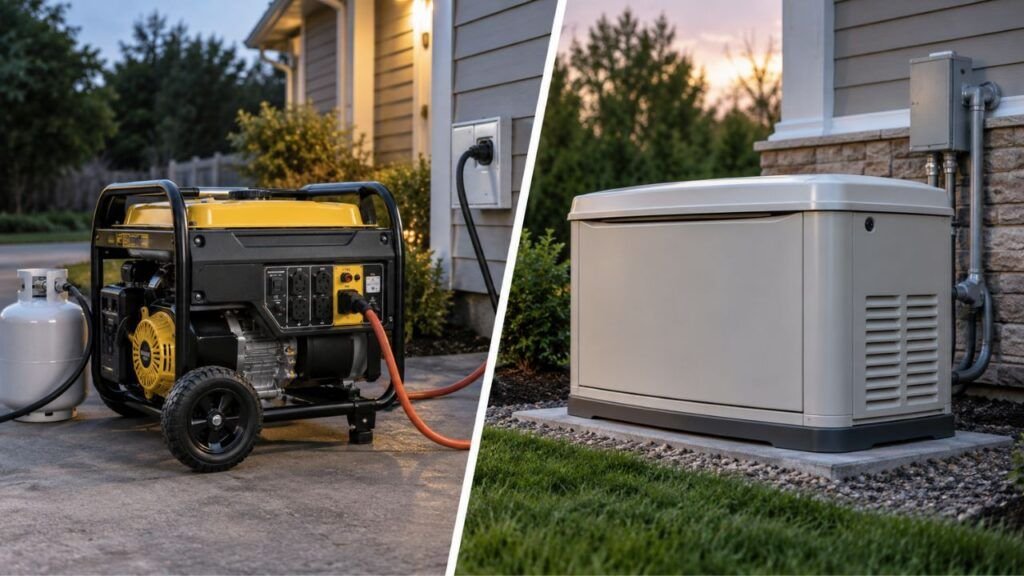
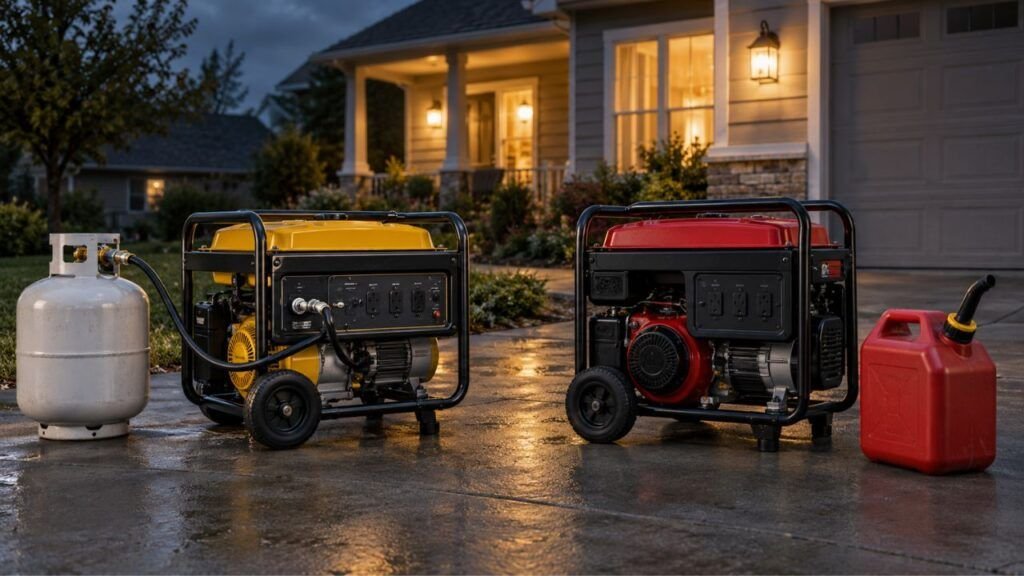
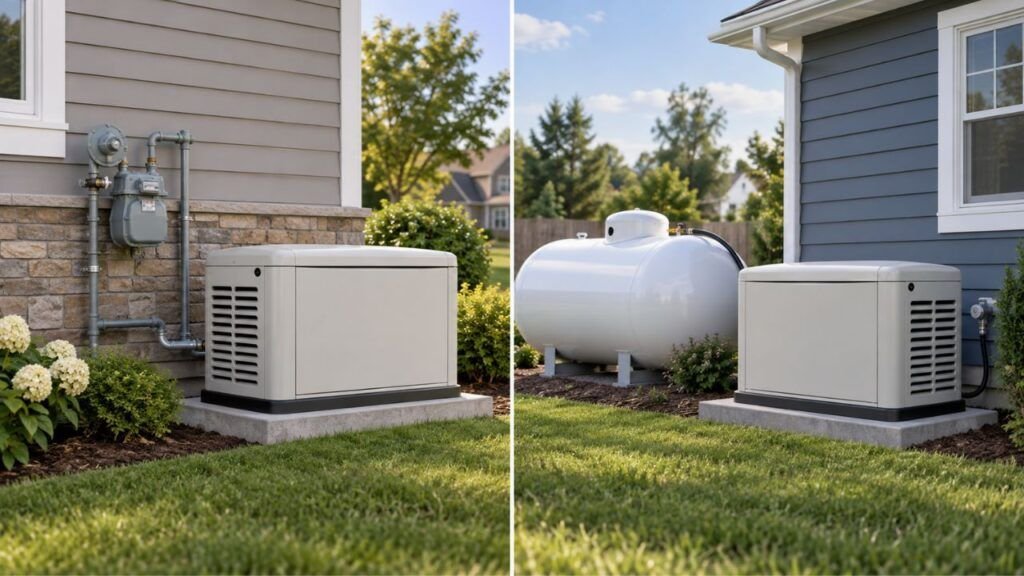
If you are looking for the quietest home backup generators, you need something that delivers reliable power without excessive noise. The right generator should keep your essential appliances running while making outages less stressful.
For most homes, we recommend the Westinghouse 8200 Peak Watt Tri-Fuel for its balance of quiet operation and backup power. If noise is your biggest concern, we’d suggest the Honda EU3200i 3200 Watt Inverter Generator. For heavier loads, the Champion 11,000-Watt Remote Start Tri Fuel or WEN 13,000-Watt 120V/240V Tri-Fuel makes more sense, while the AIVOLT 8000W Dual Fuel Inverter Generator is worth considering if you prefer dual-fuel flexibility.
After testing the top quietest home backup generators, we’ve narrowed down top options based on noise levels, power output, fuel efficiency, and practical features. We’ll help you choose the right generator for your home’s backup needs and budget.
We’re reader-supported. When you buy through links on our site, we may earn an affiliate commission. As an Amazon Associate, we earn from qualifying purchases at no extra cost to you.
Best Quietest Home Backup Generators: Our Top Picks
- Best Overall: Westinghouse 8200 Peak Watt Tri-Fuel
- Best for Low Noise: Honda EU3200i 3200 Watt Inverter Generator
- Best for Higher Loads: Champion 11,000-Watt Remote Start Tri Fuel
- Best for Whole-Home Backup: DuroMax XP11000iHT 11,000-Watt Tri Fuel
- Best Dual-Fuel Value: AIVOLT 8000W Dual Fuel Inverter Generator
- Best for Everyday Essentials: Generac 5,200 Watt Dual-Fuel Portable Inverter
- Best for Portable Home Backup: GENMAX Portable Generator
- Best Budget Option: Genkins 8000W Portable Quiet Inverter Generator
- Best for Extended Runtime: A-iPower 7600W Gas Propane Inverter Generator
- Best Compact Option: Honda EU2200ITAN 2200-Watt
- Best for Fuel Flexibility: Pulsar PGD105TiSCO Tri Fuel
- Best for Maximum Power: WEN 13,000-Watt 120V/240V Tri-Fuel
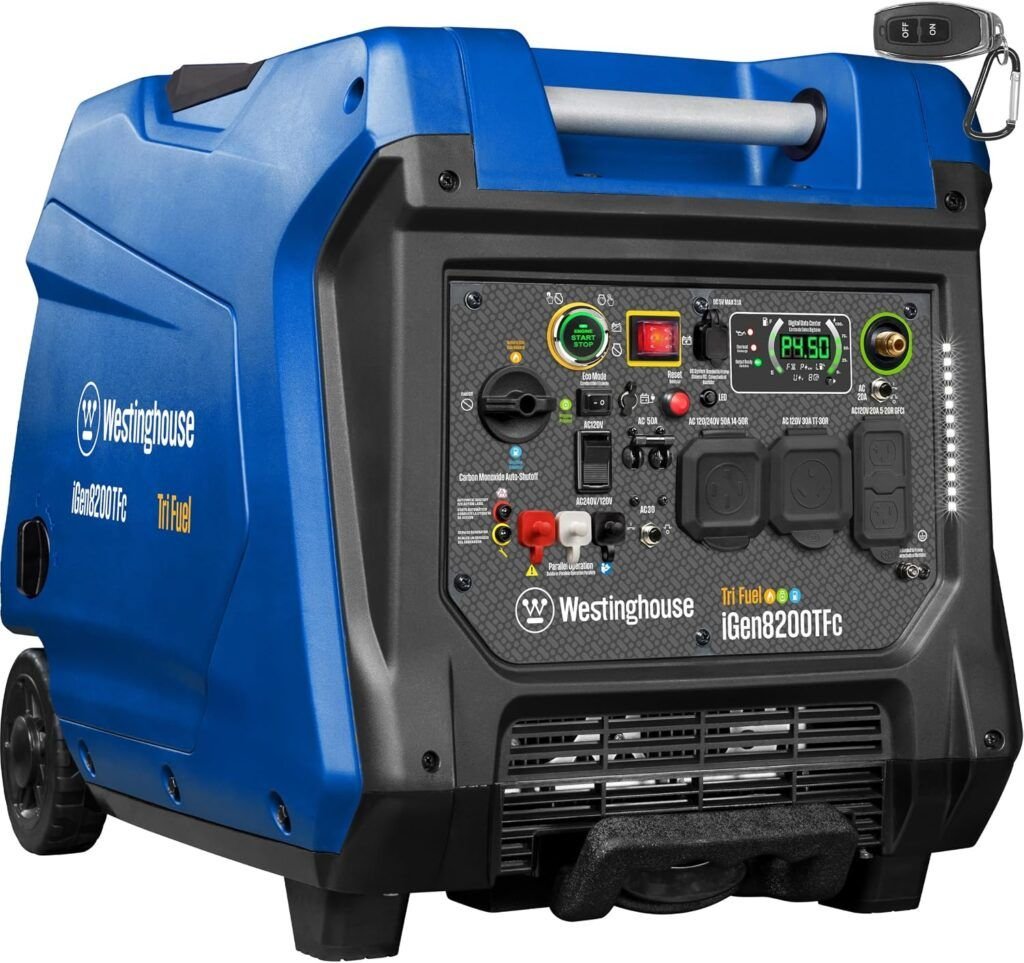
1. Best Overall: Westinghouse 8200 Peak Watt Tri-Fuel
Key Details:
- Power Output: 8,200 peak watts and 6,600 running watts on gasoline
- Noise Level: Around 60 dBA at 25% load
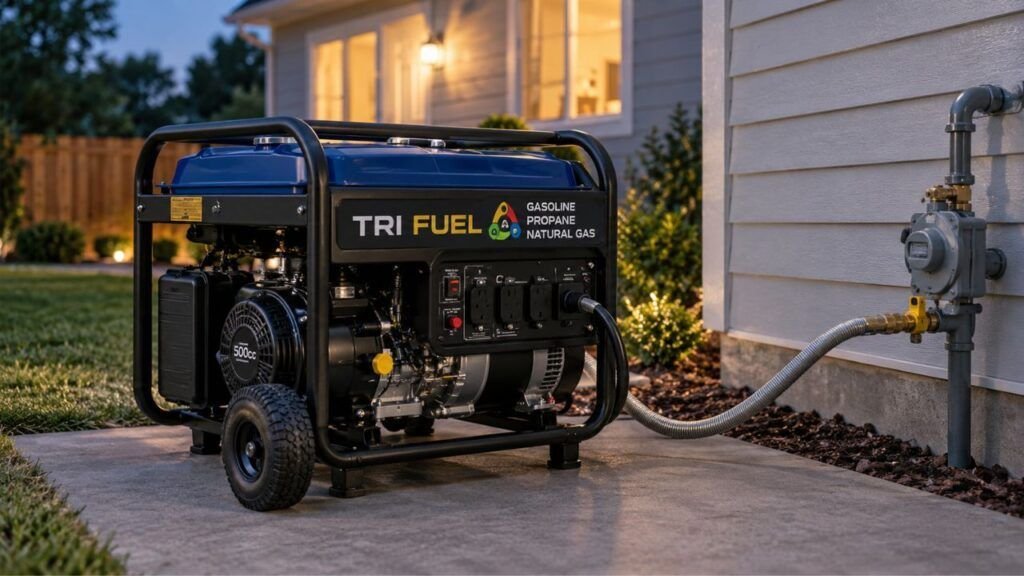
- Fuel Type: Gasoline, propane, and natural gas
- Runtime: Up to 17 hours at 25% load on a 3.9-gallon tank
- Key Features: 120/240V 50A outlet, remote start, CO sensor, and less than 3% THD
The Westinghouse iGen8200TFc Tri-Fuel Inverter Generator is an excellent choice if you need quiet home backup power without sacrificing performance. With 6,600 running watts, it can handle refrigerators, sump pumps, lights, and other essential household appliances.
What really stands out is its low-noise inverter technology. At around 60 dBA under 25% load, it runs noticeably quieter than many traditional open-frame generators. The engine also adjusts its speed based on demand, reducing unnecessary noise and fuel consumption.
We also like the flexibility of three fuel options. Whether gasoline becomes scarce or you prefer propane, the Westinghouse iGen8200TFc keeps your options open. Its 120/240V 50A outlet makes connecting household circuits through a compatible transfer switch easier.
If you’re comparing quiet home backup generators for residential use, this model offers an appealing balance of power, efficiency, and convenience. Just remember that running wattage drops on alternative fuels, and heavier loads produce more noise.
Pros:
- Quiet inverter operation at approximately 60 dBA under light loads
- Three fuel options for flexible emergency backup
- 50A outlet supports compatible home transfer switches
- Remote electric start and CO shutdown improve convenience
Cons:
- Lower power output on propane and natural gas
- Operating noise increases under heavier electrical loads
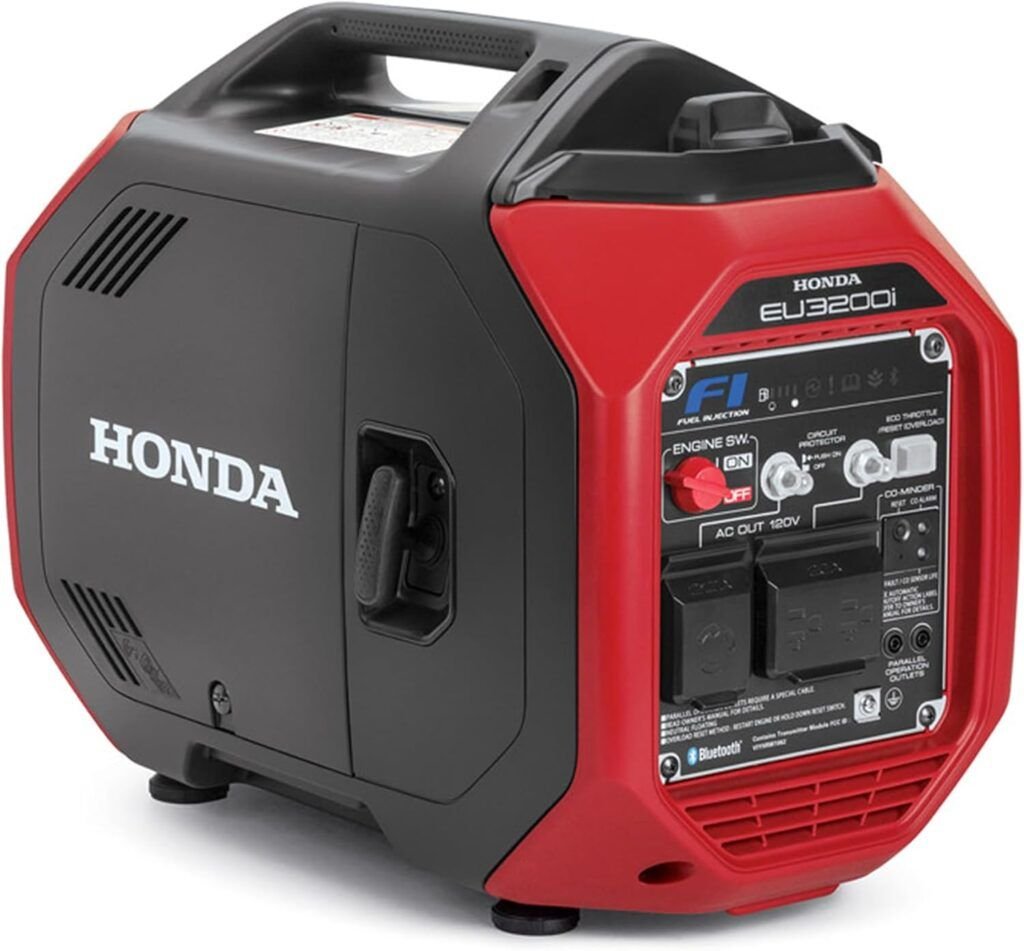
2. Best for Low Noise: Honda EU3200i 3200 Watt Inverter Generator
Key Details:
- Power Output: 3,200 maximum watts
- Noise Level: 54–58 dBA
- Fuel Type: Gasoline
- Runtime: 3.3–8.6 hours on a 1.2-gallon tank
- Key Features: Eco Throttle, Bluetooth app, CO-MINDER, and 120V output
If noise is your biggest concern, the Honda EU3200i Inverter Generator is worth considering. Operating at just 54–58 dBA, it’s among the quieter portable options for keeping essential appliances running during unexpected power outages.
Honda’s Eco Throttle technology automatically adjusts engine speed to match electrical demand. This helps limit unnecessary noise while improving fuel efficiency. You’ll appreciate the difference when powering lighter loads like refrigerators, lights, routers, and electronics.
Another useful feature is Bluetooth connectivity. The Honda EU3200i lets you monitor operating information and receive maintenance reminders through your smartphone. Its CO-MINDER system also adds an important layer of protection during outdoor operation.
For homeowners looking for a quiet inverter generator for home backup, this model makes plenty of sense. However, its 120V-only output and limited capacity mean it’s better for essential appliances than large household loads or central air conditioning.
Pros:
- Exceptionally quiet 54–58 dBA operating range
- Eco Throttle reduces fuel consumption and engine noise
- Bluetooth monitoring adds everyday convenience
- CO-MINDER protection and three-year residential warranty
Cons:
- Limited capacity for multiple high-wattage appliances
- No 240V output for larger household equipment
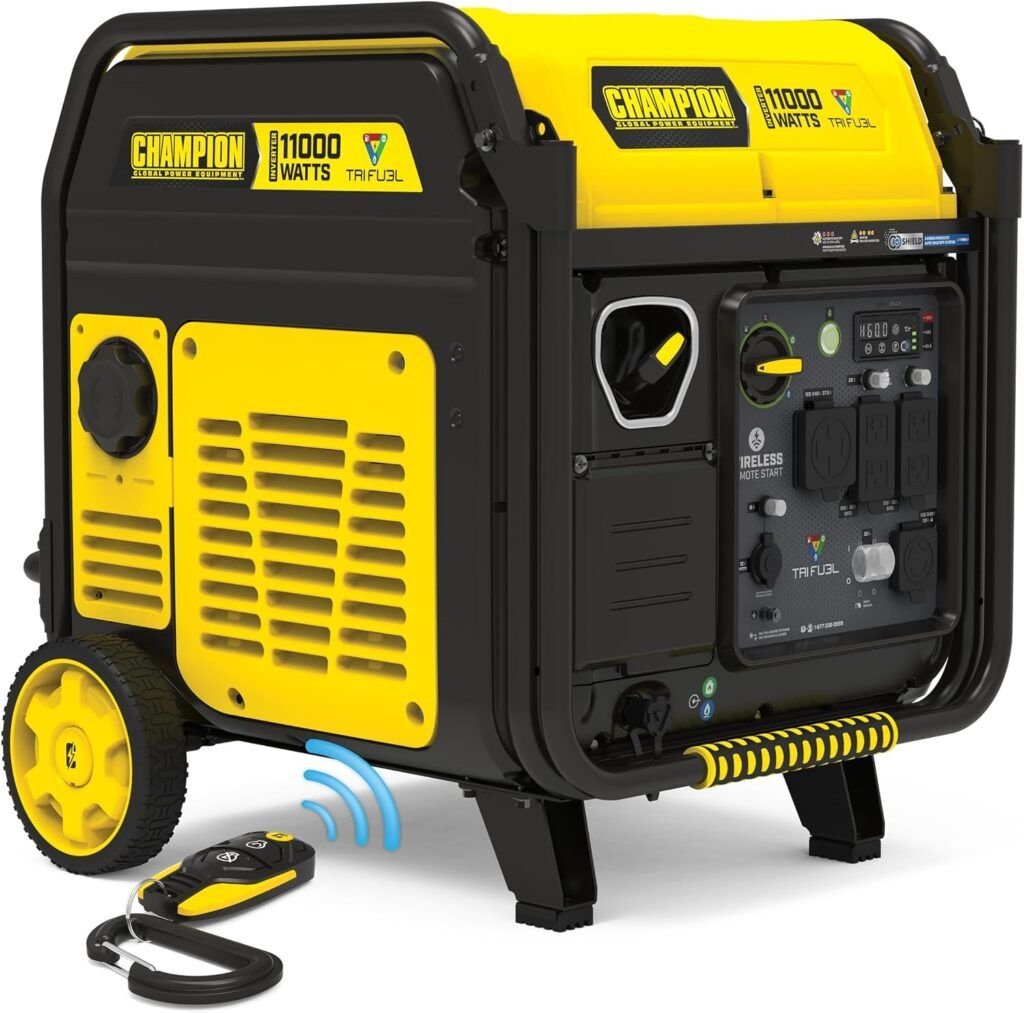
3. Best for Higher Loads: Champion 11,000-Watt Remote Start Tri Fuel
Key Details:
- Power Output: 11,000 starting watts and 9,000 running watts on gasoline
- Noise Level: Manufacturer-rated 64 dBA
- Fuel Type: Gasoline, propane, and natural gas
- Runtime: Up to 15 hours on gasoline at 25% load
- Key Features: Wireless remote start, 120/240V outlets, and CO Shield
The Champion 11,000-Watt Tri-Fuel Inverter Generator is worth considering if your home needs substantial backup power without excessive noise. Its 9,000 running watts can support refrigerators, sump pumps, lighting, and selected larger appliances during outages.
At a manufacturer-rated 64 dBA, this enclosed inverter generator offers a quieter alternative to many conventional high-output models. Its variable-speed engine helps manage fuel consumption and noise, although actual sound levels depend on the electrical load.
We particularly like the wireless remote start, which works from up to 80 feet away. The Champion 11,000-Watt also supports three fuel types, giving you flexibility when gasoline becomes difficult to find during extended emergencies.
If you’re looking for a powerful home backup inverter generator, this model offers a practical combination of output and convenience. However, its 212-pound weight makes moving it less convenient than smaller portable generators.
Pros:
- Strong 9,000W running output for demanding household loads
- Manufacturer-rated 64 dBA operating noise
- Tri-fuel compatibility supports extended power outages
- Wireless remote start and CO Shield improve convenience and safety
Cons:
- Heavy 212-pound design limits easy transportation
- Operating noise increases under demanding electrical loads
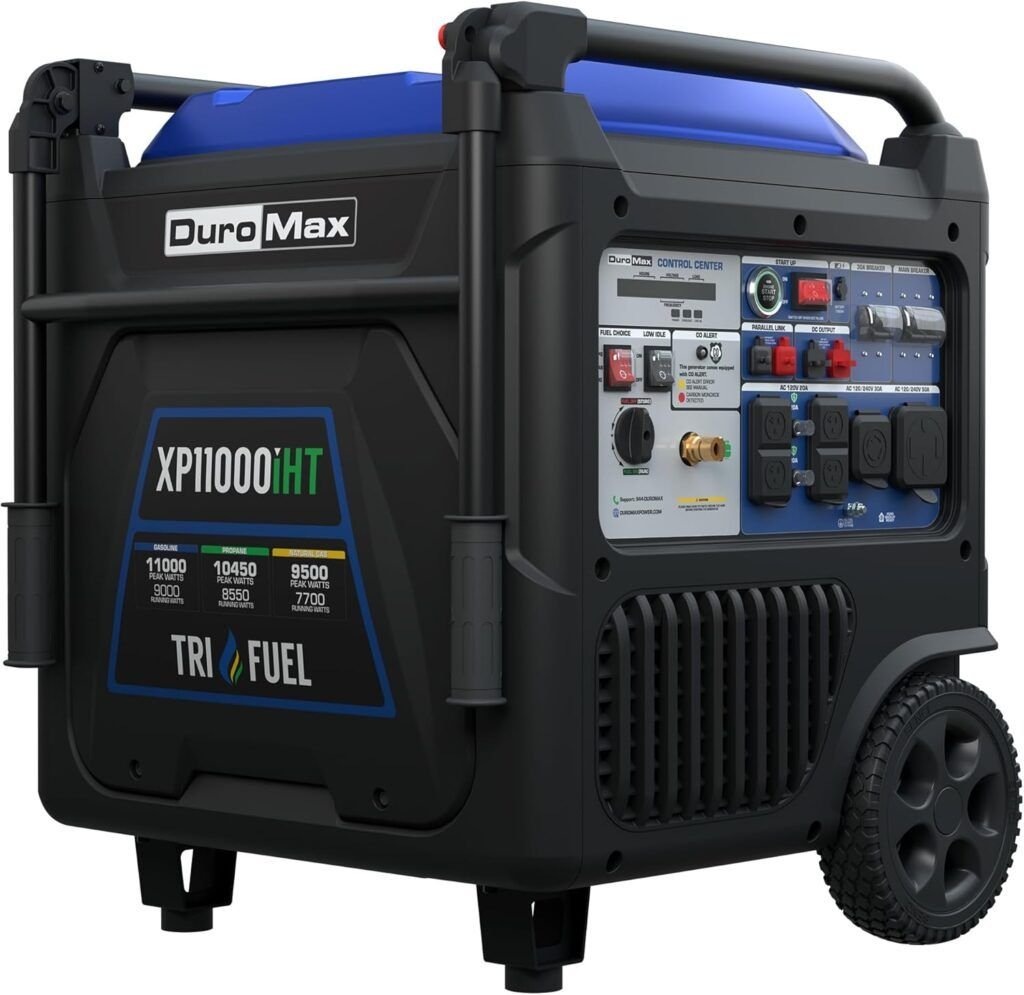
4. Best for Whole-Home Backup: DuroMax XP11000iHT 11,000-Watt Tri Fuel
Key Details:
- Power Output: 11,000 peak watts and 9,000 running watts on gasoline
- Noise Level: Manufacturer-rated 61 dB at 25% load
- Fuel Type: Gasoline, propane, and natural gas
- Runtime: Up to 18 hours on gasoline at 25% load
- Key Features: 120/240V 50A outlet, remote start, low THD, and CO Alert
The DuroMax XP11000iHT Tri-Fuel Inverter Generator is a strong choice if you need quiet home backup power with higher electrical capacity. Its 9,000 running watts can support multiple household circuits, including refrigerators, pumps, lighting, and selected air conditioners.
What stands out is its manufacturer-rated 61 dB operation at 25% load. The digital inverter system adjusts engine speed according to demand while delivering clean electricity with less than 3% THD for sensitive electronics.
We also like the flexibility of three fuel options. The DuroMax XP11000iHT provides 8,550 running watts on propane and 7,700 watts on natural gas. Its remote electric start and transfer-switch-ready connections make emergency operation more convenient.
If you’re considering a quiet whole-house backup generator, this model offers useful capacity and features. However, powering every circuit depends on your home’s electrical demand, and the 216-pound dry weight requires careful positioning.
Pros:
- Manufacturer-rated 61 dB noise level at 25% load
- Strong 9,000W gasoline output for multiple household circuits
- Tri-fuel operation with up to 18 hours of light-load gasoline runtime
- Remote start and 120/240V connections support home backup
Cons:
- Heavy 216-pound dry weight reduces portability
- Noise increases as electrical demand rises
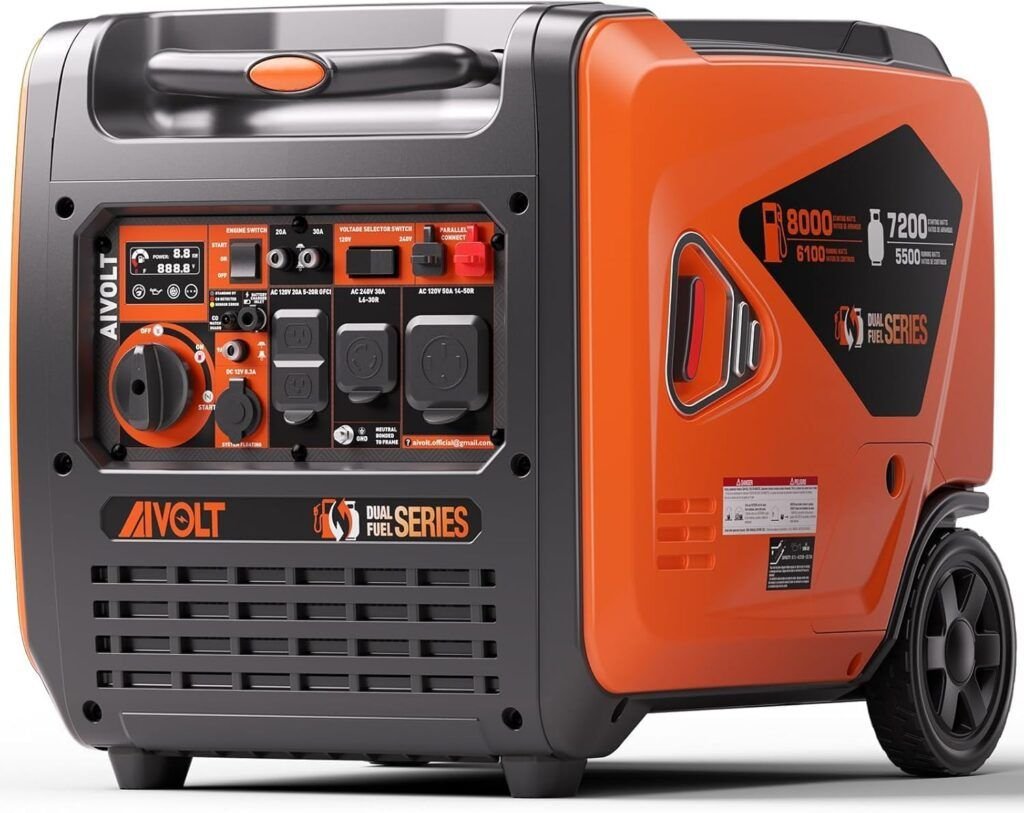
5. Best Dual-Fuel Value: AIVOLT 8000W Dual Fuel Inverter Generator
Key Details:
- Power Output: 8,000 peak watts and 6,100 running watts on gasoline
- Noise Level: Advertised 62 dBA from 23 feet
- Fuel Type: Gasoline and propane
- Runtime: Over 10 hours at 25% load
- Key Features: 120/240V output, electric start, Eco-Mode, and CO shutdown
The AIVOLT 8000W Dual Fuel Inverter Generator is a practical choice if you want quiet home backup power without sacrificing essential capacity. Its 6,100 running watts can support refrigerators, sump pumps, lights, and selected household appliances during outages.
At a claimed 62 dBA from 23 feet, this portable inverter generator is designed for quieter residential operation. Its Eco-Mode adjusts engine speed according to demand, helping reduce unnecessary noise and fuel consumption during lighter loads.
We particularly like its dual-fuel flexibility and electric start. The AIVOLT 8000W also offers a digital display and 120/240V connections. However, its rated output remains limited to 6,100 watts, regardless of the outlet’s amperage rating.
If you’re looking for a quiet dual-fuel generator for home backup, this model offers useful features and flexibility. Just verify the outlet configuration for your transfer switch and remember that higher electrical loads increase noise and fuel consumption.
Pros:
- Claimed 62 dBA operation from 23 feet
- Dual-fuel capability improves emergency flexibility
- Eco-Mode helps reduce engine noise and fuel consumption
- Electric start and 120/240V output support residential backup
Cons:
- Lower available power when operating on propane
- Outlet ratings don’t increase the generator’s total output capacity
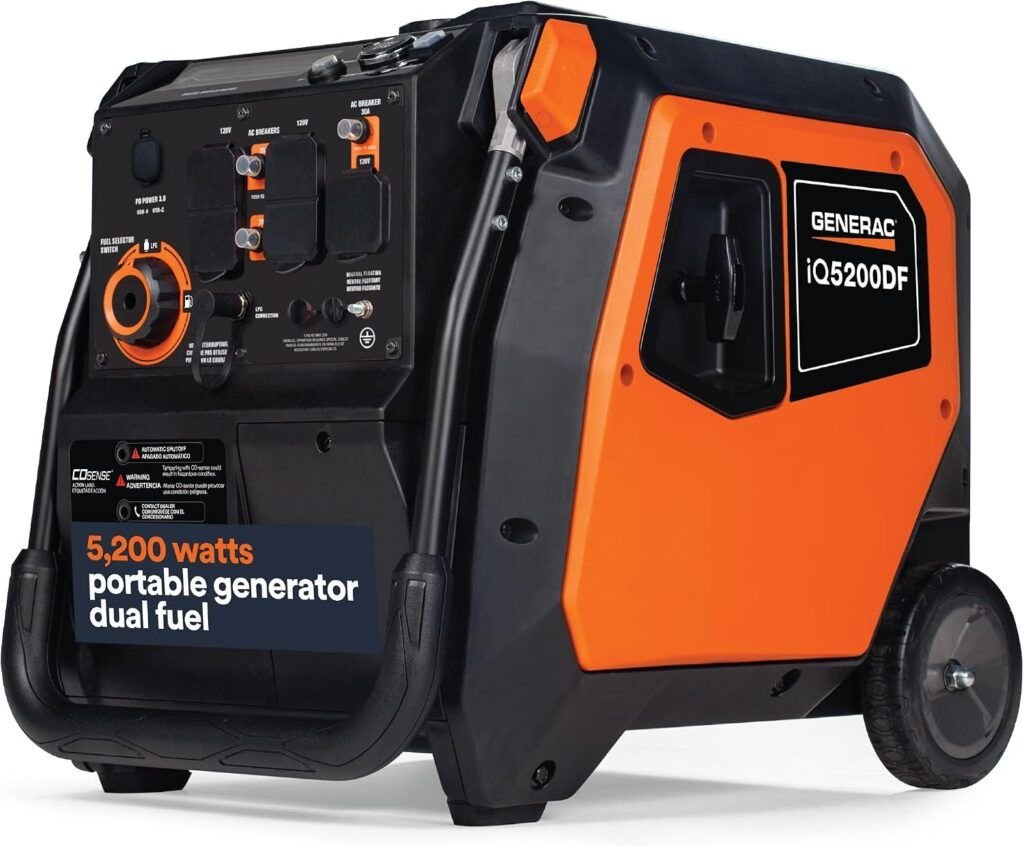
6. Best for Everyday Essentials: Generac 5,200 Watt Dual-Fuel Portable Inverter
Key Details:
- Power Output: 5,200 starting watts and 3,900 running watts on gasoline
- Noise Level: Rated fairly quiet at 23 feet in independent testing
- Fuel Type: Gasoline and propane
- Runtime: 9 hours on gasoline at 50% load
- Key Features: Economy Mode, electric start, COsense, and parallel capability
The Generac iQ5200 DF Dual-Fuel Inverter Generator is a practical choice if you need quiet home backup power for everyday essentials. Its 3,900 running watts can support refrigerators, lights, routers, and smaller household appliances during unexpected outages.
What makes this model appealing is its quiet operation. Independent testing by Consumer Reports found it fairly quiet from 23 feet away, making it suitable for residential backup, including nighttime use. Its fully enclosed design and Economy Mode further help reduce engine noise during lighter loads.
We also like its dual-fuel flexibility. The Generac iQ5200 DF runs up to 9 hours on gasoline or 11 hours on a 20-pound propane tank at 50% load. Electric start, digital monitoring, and COsense protection add convenience and safety.
If you’re looking for a quiet portable generator for essential home backup, this model offers a good balance of efficiency and convenience. However, its 120V-only output limits larger appliance compatibility, while propane operation reduces available running power to 3,500 watts.
Pros:
- Quiet operation with a fully enclosed, noise-reducing design
- Dual-fuel capability provides flexible emergency power
- Up to 11 hours of propane runtime at 50% load
- Electric start, COsense protection, and parallel capability
Cons:
- 120V-only output cannot power 240V appliances directly
- Propane operation reduces running output to 3,500W
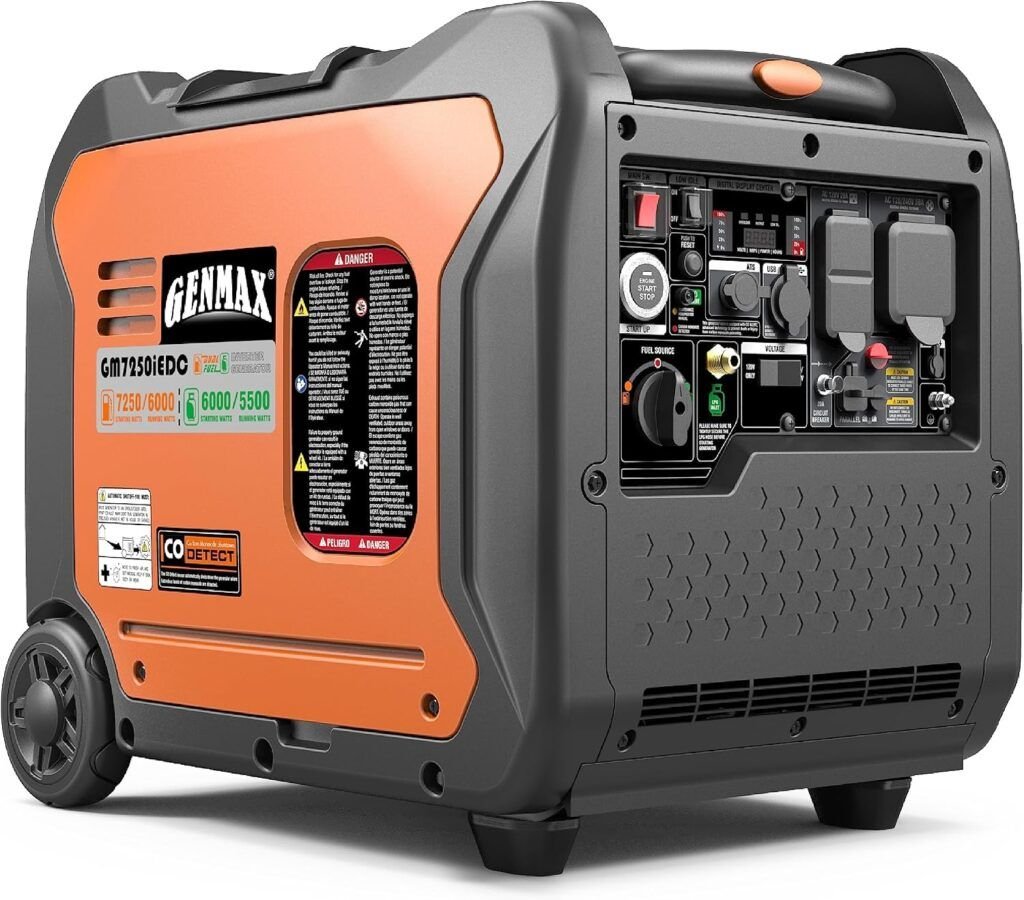
7. Best for Portable Home Backup: GENMAX Portable Generator
Key Details:
- Power Output: 7,250 starting watts and 6,000 running watts on gasoline
- Noise Level: Manufacturer-rated 63 dB at 25% load from 7 meters
- Fuel Type: Gasoline and propane
- Weight: Approximately 118 pounds
- Key Features: Remote start, ATS connection, parallel capability, and CO detection
The GENMAX GM7250iEDC Dual Fuel Inverter Generator offers a useful balance between portability and residential backup power. Its 6,000 running watts on gasoline can support refrigerators, sump pumps, lighting, and other essential household appliances during outages.
At 63 dB from 7 meters under 25% load, this quiet portable generator offers relatively low noise for its output class. Its inverter design and variable-speed engine help manage electrical demand while maintaining efficient operation.
You’ll appreciate the remote start and digital control panel on the GENMAX GM7250iEDC. It also features a dedicated ATS connection for compatible automatic transfer-switch systems, although proper installation and electrical compatibility must be confirmed.
If you need a quiet dual-fuel generator for home backup, this model is worth considering. Its approximately 118-pound weight is manageable compared with larger alternatives, while gasoline and propane operation offer useful flexibility during emergencies.
Pros:
- Manufacturer-rated 63 dB at 25% load from 7 meters
- Strong 6,000W gasoline output for essential household circuits
- Remote start and ATS compatibility improve convenience
- Dual-fuel operation and parallel capability provide flexibility
Cons:
- Propane operation reduces running output to 5,500W
- Automatic transfer-switch setup requires compatible equipment
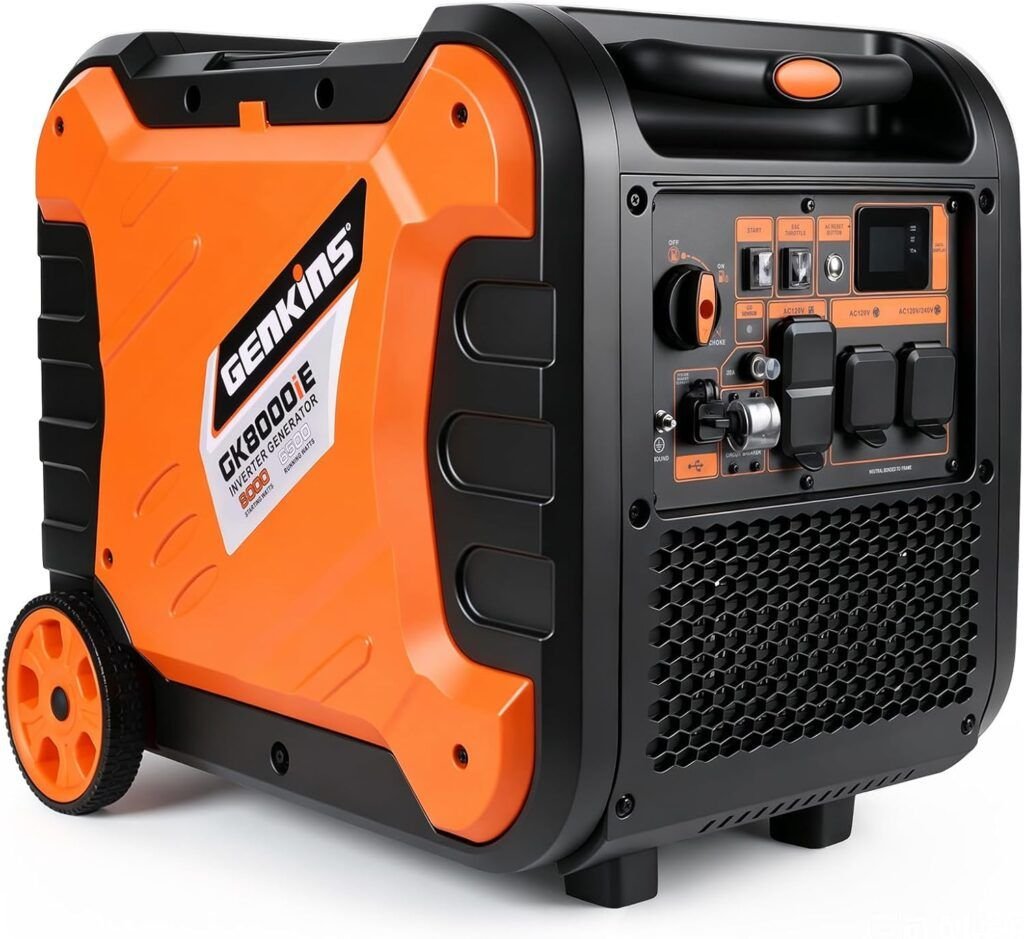
8. Best Budget Option: Genkins 8000W Portable Quiet Inverter Generator
Key Details:
- Power Output: 8,000 peak watts and 6,500 running watts
- Noise Level: Advertised 62 dBA from 23 feet
- Fuel Type: Gasoline
- Runtime: Advertised up to 16 hours at 25% load
- Key Features: 120/240V outlet, electric start, ESC Mode, and ≤2% THD
If you want affordable quiet home backup power, the Genkins 8000W Quiet Inverter Generator offers an appealing combination of output and features. Its 6,500 running watts can support refrigerators, sump pumps, lighting, and selected kitchen appliances during outages.
At a claimed 62 dBA from 23 feet, this inverter generator is designed to reduce residential noise disruption. Its ESC Mode adjusts engine speed according to demand, helping improve fuel efficiency during lighter electrical loads.
We also like the 120/240V outlet and electric start on the Genkins 8000W. The manufacturer-listed features include low-distortion inverter power, while the advertised runtime reaches 16 hours at 25% load. Fuel tank capacity should be confirmed before purchasing because published listings differ.
If you’re looking for a budget-friendly quiet generator for home backup, this is an interesting option. However, gasoline-only operation limits fuel flexibility, and we’d recommend checking local service support and warranty coverage before making your decision.
Pros:
- Strong 6,500W running output for household backup
- Advertised 62 dBA operation from 23 feet
- Low-THD inverter output supports sensitive electronics
- 120/240V connection and electric start improve convenience
Cons:
- Gasoline-only operation limits emergency fuel options
- Fuel tank specifications and long-term service support need verification
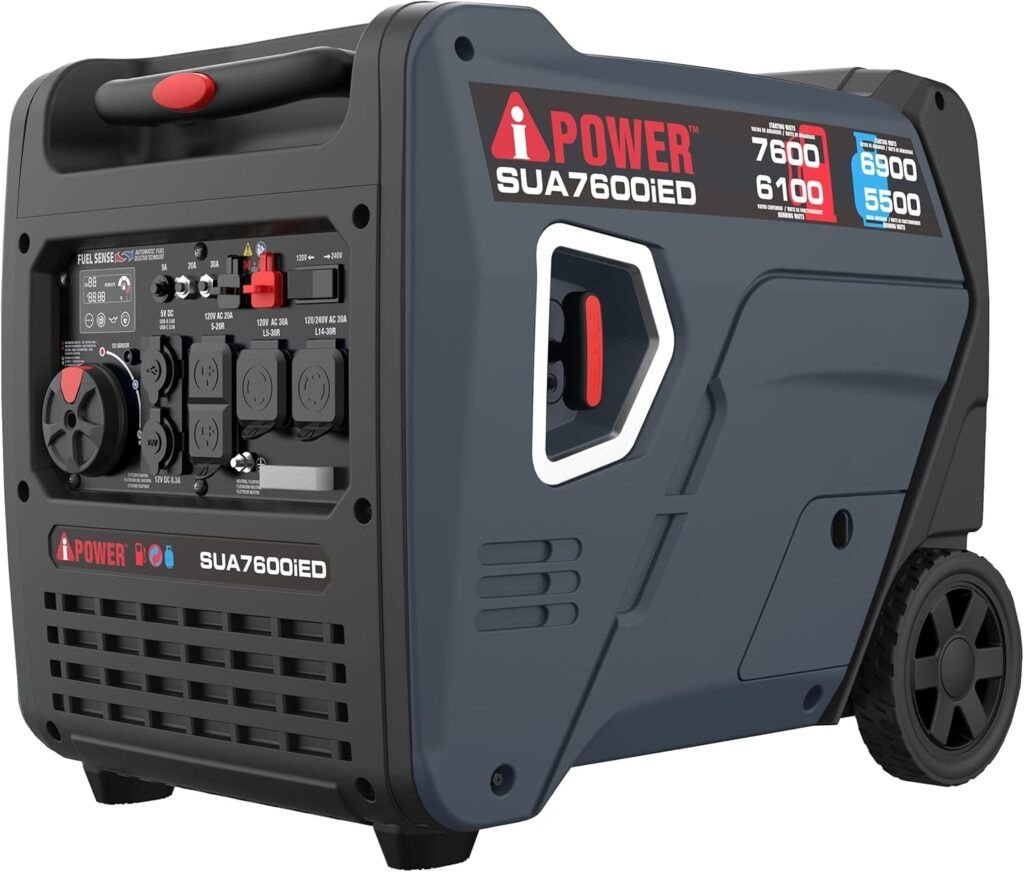
9. Best for Extended Runtime: A-iPower 7600W Gas Propane Inverter Generator
Key Details:
- Power Output: 7,600 starting watts and 6,100 running watts on gasoline
- Noise Level: 62 dBA at 50% load from approximately 21 feet
- Fuel Type: Gasoline and propane
- Runtime: Up to 21.2 hours at 25% load using both fuel sources
- Key Features: Electric start, Fuel Sense technology, CO sensor, and low-THD inverter power
The A-iPower 7600W Dual Fuel Inverter Generator is a great option if you want quiet home backup power with extended runtime. Its 6,100 running watts on gasoline can support refrigerators, sump pumps, lighting, and other essential household appliances during outages.
At 62 dBA under 50% load, this low-noise inverter generator offers a practical balance between electrical capacity and residential comfort. Its low-idle technology adjusts engine speed according to demand, helping reduce unnecessary noise and fuel consumption.
What we particularly like is the Fuel Sense technology. The A-iPower 7600W automatically switches from propane to gasoline when needed, providing up to 21.2 hours of combined runtime at 25% load. That’s especially helpful when outages last longer than expected.
If you’re comparing quiet dual-fuel generators for home backup, this model deserves attention. Its electric start and portable design add convenience, although fuel consumption and noise will increase when powering demanding household equipment.
Pros:
- Quiet 62 dBA operation at 50% load
- Automatic fuel switching extends backup runtime
- Strong 6,100W running output on gasoline
- Low-idle technology improves fuel efficiency
Cons:
- Lower running wattage when operating on propane
- Extended runtime depends on lighter electrical loads
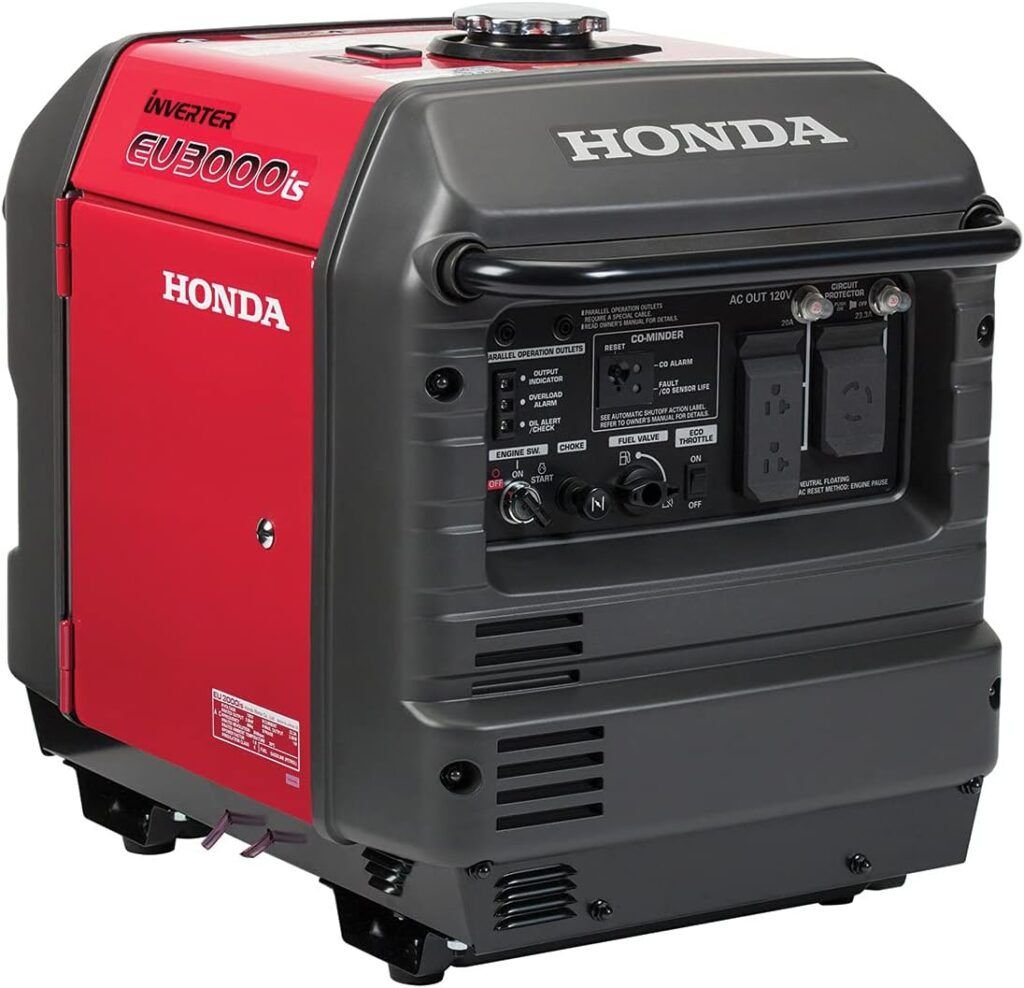
10. Best Compact Option: Honda EU2200ITAN 2200-Watt
Key Details:
- Power Output: 2,200 starting watts and 1,800 running watts
- Noise Level: 48–57 dBA depending on load
- Fuel Type: Gasoline
- Runtime: 3.2–8.1 hours on a 0.95-gallon fuel tank
- Key Features: 120V output, Eco Throttle, recoil start, and 47.4-pound dry weight
If you only need to power essential appliances, the Honda EU2200ITAN Inverter Generator offers a remarkably quiet solution. Operating between 48 and 57 dBA, it’s particularly suitable for homeowners who prioritize low noise over high electrical capacity.
Honda’s Eco Throttle system adjusts engine speed based on demand, reducing fuel consumption and unnecessary noise. You’ll find this especially useful when powering a refrigerator, Wi-Fi router, lights, or smaller electronics during a nighttime outage.
We also like how portable the Honda EU2200ITAN is. At just 47.4 pounds dry, it’s much easier to move than larger home backup generators. Its inverter technology delivers stable electricity, while the compact design makes storage relatively simple.
For anyone seeking a quiet portable generator for emergency home backup, this Honda makes sense for lighter electrical needs. However, its 1,800 running watts and 120V-only output make it unsuitable for extensive household backup or large 240V appliances.
Pros:
- Very quiet operation at just 48 dBA under light loads
- Lightweight 47.4-pound design improves portability
- Eco Throttle helps reduce noise and fuel consumption
- Stable inverter power for sensitive electronics
Cons:
- Limited 1,800W running capacity for household appliances
- Recoil start and no 240V output
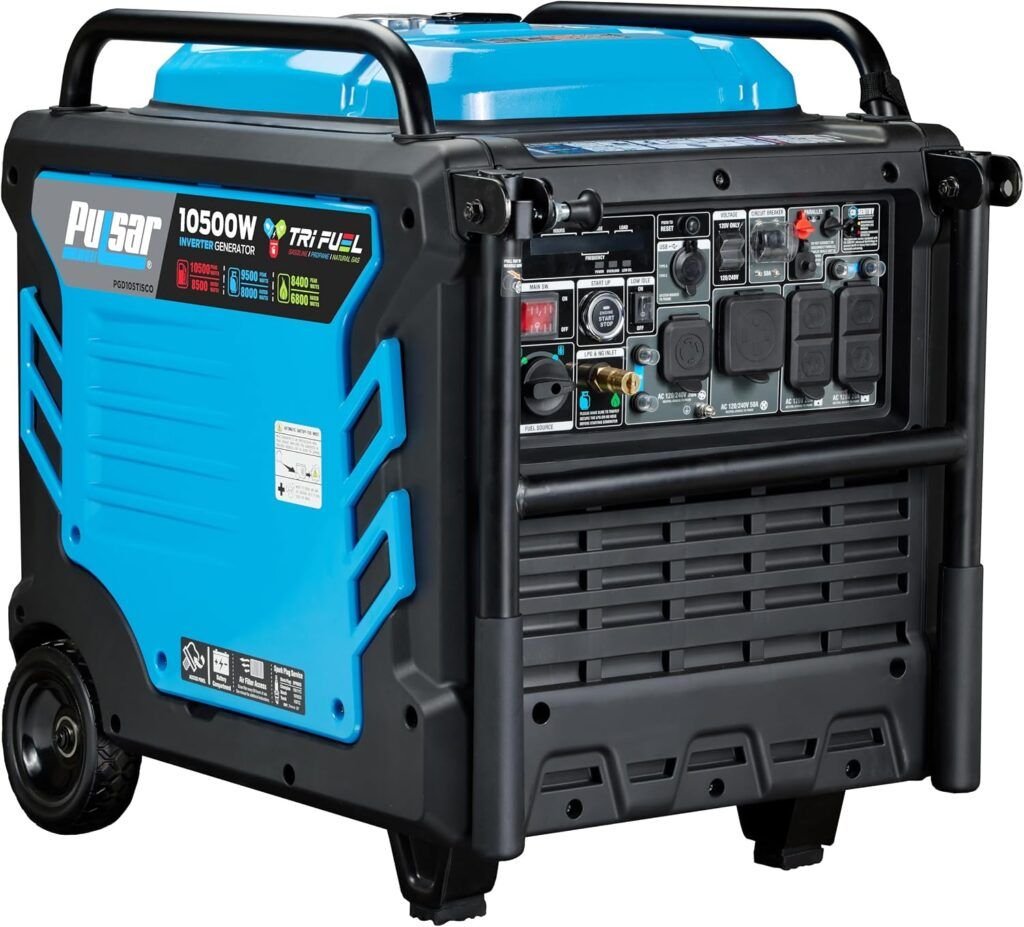
11. Best for Fuel Flexibility: Pulsar PGD105TiSCO Tri Fuel
Key Details:
- Power Output: 10,500 peak watts and 8,500 running watts on gasoline
- Noise Level: Manufacturer-rated 62 dB
- Fuel Type: Gasoline, propane, and natural gas
- Runtime: Up to 9 hours at 50% load
- Key Features: 120/240V 50A outlet, remote start, digital display, and CO Sentry
The Pulsar PGD105TiSCO Tri-Fuel Inverter Generator is an appealing choice if you need substantial home backup power with flexible fuel options. Its 8,500 running watts on gasoline can support refrigerators, sump pumps, lighting, and selected larger appliances during outages.
With a manufacturer-rated noise level of 62 dB, this quiet tri-fuel inverter generator is worth considering for residential use. Its inverter technology delivers clean electricity for electronics, although actual noise increases with heavier electrical demand.
We particularly like the three fuel options on the Pulsar PGD105TiSCO. It delivers 8,000 running watts on propane and 6,800 watts on natural gas. The 120/240V outlets, remote start, and digital display also make home backup operation more convenient.
If you’re searching for a powerful, low-noise home generator, this model offers a practical combination of capacity and versatility. However, its 247-pound weight reduces portability, and fuel selection affects the available running wattage.
Pros:
- Manufacturer-rated 62 dB operating noise
- Three fuel options improve emergency backup flexibility
- Strong 8,500W running output on gasoline
- Remote start and 120/240V connections simplify operation
Cons:
- Heavy 247-pound design limits easy transportation
- Lower running output on propane and natural gas
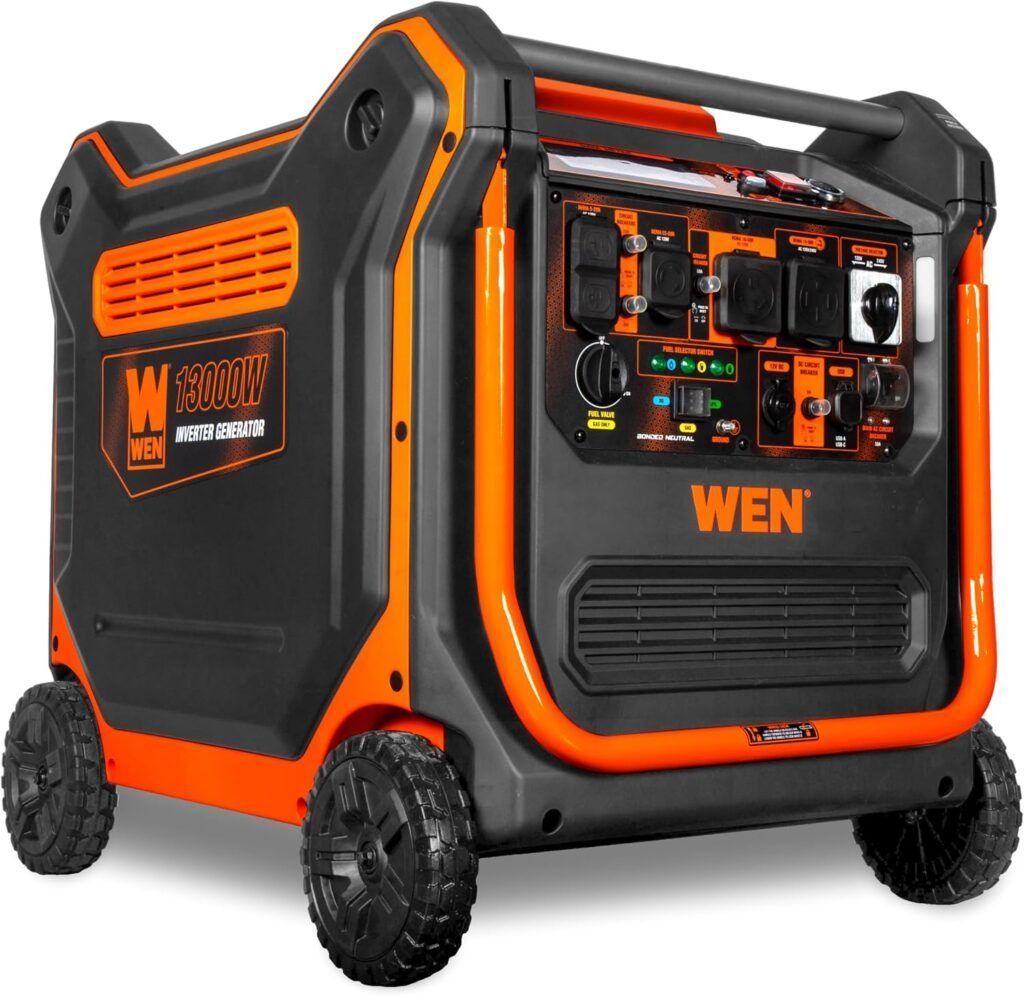
12. Best for Maximum Power: WEN 13,000-Watt 120V/240V Tri-Fuel
Key Details:
- Power Output: 13,000 starting watts and 10,500 running watts on gasoline
- Noise Level: 64 dBA at 25% load
- Fuel Type: Gasoline, propane, and natural gas
- Runtime: Up to 7.7 hours at 50% load on a 7.1-gallon tank
- Key Features: 120/240V 50A outlet, electric start, CO Watchdog, and 550cc engine
The WEN TF1300iX Tri-Fuel Inverter Generator is a strong choice if you need serious home backup power without excessive noise. Its 10,500 running watts on gasoline can support refrigerators, sump pumps, lighting, kitchen appliances, and selected high-demand equipment during outages.
What makes this generator impressive is its relatively quiet operation despite its high output. At just 64 dBA under 25% load, it offers a practical alternative to many conventional high-wattage generators. Its inverter technology also delivers clean electricity for sensitive household electronics.
We particularly like the flexibility of three fuel options. The WEN TF1300iX delivers 9,000 running watts on propane and 8,000 watts on natural gas. Its 120/240V 50A outlet, electric start, and CO Watchdog system make residential backup more convenient.
If you’re looking for a powerful, quiet home backup generator, this model offers an appealing balance of capacity, noise control, and fuel flexibility. However, its 247-pound weight requires careful positioning, while the 7.7-hour half-load runtime means planning for gasoline refills during extended outages.
Pros:
- Quiet 64 dBA operation at 25% load for its power class
- Powerful 10,500W running output on gasoline
- Tri-fuel capability provides flexible emergency backup
- 50A outlet, electric start, and CO Watchdog improve convenience
Cons:
- Heavy 247-pound design limits easy transportation
- Gasoline runtime is limited to 7.7 hours at half load
How Quiet Is a Quietest Home Backup Generator?
A quiet home backup generator typically operates around 50 to 65 dBA under lighter loads, although larger models can be louder. If you’re concerned about disturbing your family or neighbors, we recommend looking for an inverter generator with a published noise rating below 60 dBA whenever possible.
Remember, generator noise depends on engine size, electrical load, operating distance, and enclosure design. Even a quiet model becomes more noticeable when powering demanding appliances.
Understanding Generator Noise Levels in Decibels
Generator noise is measured in decibels, usually expressed as dBA. The lower the number, the quieter the generator sounds.
Here’s what different noise levels mean for everyday home backup use.
| Noise Level (dBA) | Comparable Everyday Sound | Home Backup Suitability |
| 40 dBA | Quiet library | Extremely quiet, more typical of battery systems |
| 50 dBA | Quiet office or light rainfall | Excellent for low-noise backup |
| 60 dBA | Normal conversation | Good for residential backup |
| 70 dBA | Busy traffic or vacuum cleaner | Noticeable, especially at night |
| 80 dBA | Loud traffic or lawn mower | Disruptive near living areas |
A 10 dBA increase represents ten times the sound intensity and is often perceived as roughly twice as loud.
We recommend comparing noise ratings measured at the same distance and electrical load. For example, a generator rated at 60 dBA at 25% load isn’t directly comparable to one measured at 62 dBA at 50% load.
Why Are Inverter Generators Quieter Than Conventional Generators?
Inverter generators are generally quieter because their engines can adjust speed according to electrical demand. Conventional generators typically maintain a relatively constant engine speed, even when powering smaller loads.
When you run only a refrigerator, a few lights, and a router, an inverter generator can slow its engine and reduce noise.
Many quiet inverter generators also feature enclosed housings, improved mufflers, and vibration-reducing components. These features help limit engine noise, making them practical for residential neighborhoods.
Does a Generator Get Louder as Power Demand Increases?
Yes, most inverter generators become louder as electrical demand increases. When you connect high-wattage appliances, the engine works harder to produce additional electricity.
For example, powering a refrigerator and lights generally creates less noise than simultaneously operating a sump pump, microwave, and air conditioner.
If quiet operation matters, we recommend choosing a generator with enough running watts to handle your normal backup loads comfortably.
What Size Quiet Generator Do You Need for Home Backup?
For most homes, a quiet generator with 5,000 to 10,000 running watts offers a practical balance between backup capacity and operating noise. Smaller generators work well for essential appliances, while larger models can support additional household circuits.
The right size depends on which appliances you want running simultaneously.
| Generator Size | Appliances It Can Power | Best For |
| 2,000W | Refrigerator, LED lights, router, small electronics | Basic emergency backup |
| 3,500W | Refrigerator, lights, furnace blower, selected electronics | Small homes and essential circuits |
| 5,000W | Refrigerator, sump pump, lights, small kitchen appliances | Everyday home backup |
| 7,500W | Multiple essential circuits, pumps, selected window AC units | Medium-sized homes |
| 10,000W | Multiple appliances, pumps, selected central AC systems | Higher-demand backup |
| 12,000W | More household circuits, selected HVAC and kitchen equipment | Extensive residential backup |
These are approximate running-wattage categories, not guarantees of simultaneous appliance operation. Actual capacity depends on starting watts, appliance ratings, and available outlets.
Running watts represent the continuous electricity a generator supplies. Starting watts provide the extra power needed when motor-driven appliances, such as refrigerators and air conditioners, switch on.
For example, a refrigerator might use 700 running watts but require considerably more power during startup.
We recommend adding your appliances’ running wattages, accounting for the largest overlapping startup surge, and allowing some extra capacity. Also, check whether your home requires 120V, 240V, or both.
What Type of Generator Is Quietest for Home Backup?
Battery-powered solar generators generally offer the quietest home backup because they don’t use combustion engines. Among fuel-powered options, enclosed inverter generators are usually quieter than conventional open-frame models.
However, each generator type has advantages depending on your electrical requirements and outage duration.
| Generator Type | Noise Characteristics | Advantages | Best For |
| Inverter Generator | Usually quieter, especially at lower loads | Efficient, clean power | Quiet residential backup |
| Conventional Portable Generator | Generally louder engine operation | High output, lower upfront cost | Budget-focused heavy loads |
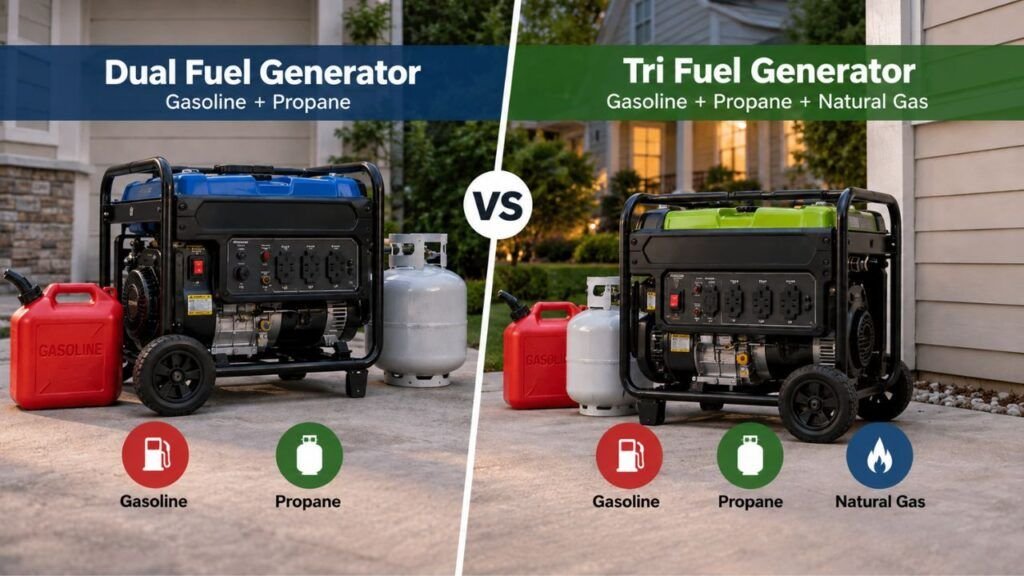
| Dual-Fuel Generator | Depends on engine and enclosure | Gasoline and propane flexibility | Emergency fuel flexibility |
| Tri-Fuel Generator | Varies with model and load | Three fuel sources | Extended outages |
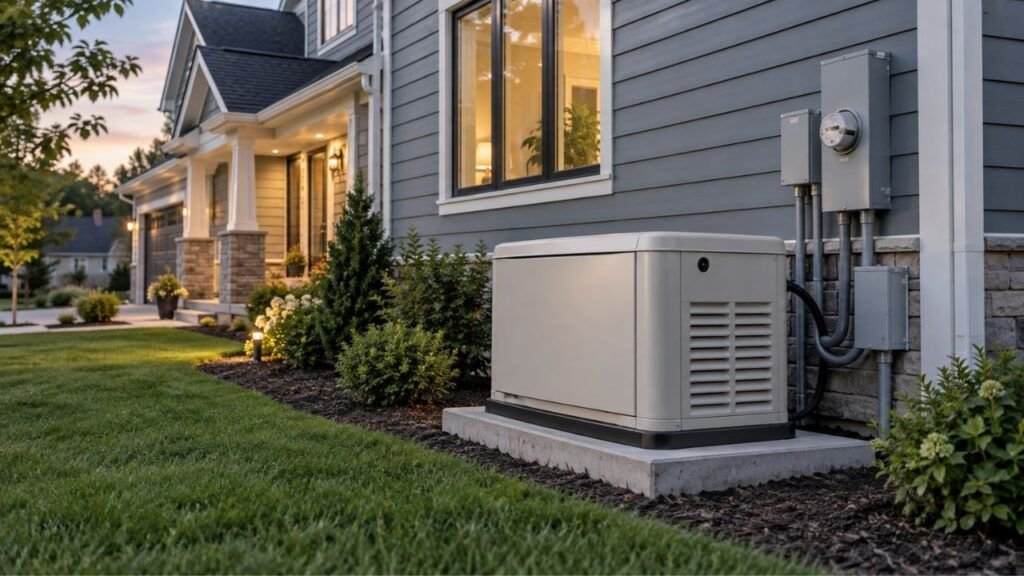
| Standby Generator | Varies with enclosure and load | Automatic operation, high capacity | Permanent home backup |
| Battery-Powered Solar Generator | Usually very quiet, with occasional fan noise | No combustion exhaust, indoor-friendly | Essential appliances and nighttime backup |
Fuel type alone doesn’t determine how quiet a generator runs. A dual-fuel or tri-fuel generator can still be noisy if it uses a conventional open-frame engine.
If minimizing noise is your priority, we recommend comparing inverter technology, enclosure design, published decibel ratings, and operating load before purchasing.
How to Choose the Best Quietest Home Backup Generators
Choosing a quiet home backup generator isn’t just about finding the lowest decibel rating. You also need enough power, reasonable runtime, and the right features for your household.
Here are the factors we recommend checking before making a decision.
Noise Level and Operating Load
Look for models rated around 50 to 60 dBA if low noise is your priority. Always check the measurement distance and load percentage.
Running Watts and Starting Watts
Choose enough continuous power for your essential appliances. Allow additional starting capacity for refrigerators, pumps, and air conditioners.
Fuel Type and Runtime
Gasoline offers convenient portability, while propane stores well for emergencies. Natural gas can provide continuous fuel where a suitable supply is available, though service interruptions remain possible.
Inverter Technology and Power Quality
We recommend inverter generators when powering sensitive electronics. Models with low total harmonic distortion (THD) provide cleaner electrical output.
Home Electrical Compatibility
Check for 120V/240V output, compatible 30A or 50A connections, and transfer-switch compatibility. Have a qualified electrician install the appropriate household connection equipment.
Starting Convenience and Safety
Electric start, remote start, CO shutdown, overload protection, and low-oil shutdown can make emergency operation easier and safer.
Warranty and Long-Term Value
Consider service availability, replacement parts, fuel consumption, maintenance requirements, and warranty coverage alongside the initial purchase price.
Inverter Generator vs. Non Inverter Generator: Which Is Better?
An inverter generator is generally the better choice if quiet operation, fuel efficiency, and clean power matter most. A conventional generator can make more sense when you need substantial backup capacity at a lower upfront cost.
Here’s how they compare for home backup applications.
| Feature | Inverter Generator | Conventional Generator |
| Noise | Usually quieter | Generally louder |
| Engine Speed | Often adjusts to demand | Usually runs at fixed speed |
| Power Quality | Typically low THD | Varies by model |
| Fuel Efficiency | Often better at lighter loads | Usually less efficient at light loads |
| Power Capacity | Small to high output | Widely available at high output |
| Installation | Transfer switch needed for home circuits | Transfer switch needed for home circuits |
| Convenience | Often compact with economy modes | Often heavier and simpler |
| Cost | Generally higher for similar output | Usually more affordable |
For short outages, we recommend a quiet inverter generator that can handle your essential appliances. It offers a comfortable combination of low noise, fuel savings, and clean electricity.
For extended emergencies, larger inverter or conventional generators may be more practical, depending on your power demands and available fuel. A permanently installed standby generator is worth considering when automatic, high-capacity backup is the priority.
How Can You Make a Home Backup Generator Quieter?
You can reduce generator noise through proper placement, regular maintenance, and sensible electrical load management. Even small improvements can make a noticeable difference during nighttime outages.
Here are some practical ways to keep your generator quieter:
- Choose a suitable location: Place the generator outdoors, away from windows and living spaces.
- Reduce vibration: Use a stable, level surface and manufacturer-approved vibration-dampening accessories.
- Use approved accessories: Consider manufacturer-approved noise-reduction equipment without blocking airflow.
- Manage electrical demand: Avoid running unnecessary high-wattage appliances simultaneously.
- Maintain the generator: Keep the engine, muffler, air filter, and spark plug in good condition.
- Enable Economy Mode: Use it when permitted by the manufacturer and electrical load.
- Consider battery backup: A portable power station can operate quieter during lighter nighttime loads.
Safety Warning: Always operate fuel-powered portable generators outdoors, at least 20 feet from doors, windows, and vents, with exhaust directed away from buildings. Never use one inside a garage, basement, shed, or enclosed noise-reduction box. Keep working carbon monoxide alarms inside your home.
Are Quiet Home Backup Generators Worth the Extra Money?
Yes, quiet home backup generators are often worth the additional investment, especially if you live in a residential neighborhood or experience frequent outages. Lower operating noise can make a real difference when your generator runs for several hours, particularly overnight.
We recommend considering an enclosed inverter generator if you value quieter operation, cleaner electricity, and better fuel efficiency at lighter loads. These benefits can justify the higher purchase price, although the savings depend on how frequently you use the generator.
However, don’t sacrifice necessary power capacity just to achieve a lower decibel rating. A quiet generator that cannot start your essential appliances won’t solve your backup needs. The right choice balances noise, wattage, runtime, fuel flexibility, and long-term reliability.
Final Verdict
For most homeowners, we recommend the Westinghouse 8200 Peak Watt Tri-Fuel because it combines 6,600 running watts, tri-fuel flexibility, and around 60 dBA operation at 25% load. If minimizing noise matters more than powering larger appliances, the Honda EU3200i 3200 Watt Inverter Generator is worth considering with its 54 to 58 dBA rating and reliable inverter technology.
If your home needs more backup capacity, we’d suggest the DuroMax XP11000iHT 11,000-Watt Tri Fuel for its 9,000 running watts, tri-fuel operation, and transfer-switch-ready design, although its noise rating needs verification. For a more affordable option, the Generac 5,200 Watt Dual-Fuel Portable Inverter offers 6,500 running watts and a claimed 62 dBA rating, making it attractive for essential household circuits.
If you want the quietest possible backup, we recommend considering a properly sized LiFePO4 battery-powered solar generator. It avoids combustion-engine noise and exhaust, although battery capacity limits runtime. Whichever option you choose, focus on the appliances you actually need to run, the noise level you can tolerate, and how long your typical outages last.
Related FAQs
What Is the Quietest Generator for Home Backup?
Battery-powered solar generators are generally quietest. Among fuel-powered models, the Honda EU2200ITAN operates at 48 to 57 dBA, making it suitable for lighter backup needs.
How Many Decibels Is Considered Quiet for a Generator?
A generator producing 50 to 60 dBA is generally considered quiet for residential use. Compare noise ratings at similar distances and electrical loads.
Can a Quiet Generator Power an Entire House?
Yes, a quiet generator can power an entire house if its starting and running watts meet your needs. Larger homes may require high-output or standby generators.
Are Inverter Generators Quieter Than Regular Generators?
Yes, inverter generators are generally quieter because their engines adjust speed according to power demand. Enclosed designs also help reduce operating noise.
Are Dual-Fuel Generators Quieter on Propane?
Not necessarily. Propane doesn’t automatically reduce generator noise. Engine design, operating load, and enclosure quality influence noise levels more than fuel choice alone.
Can You Run a Quiet Generator Overnight?
Yes, if local regulations permit. Always operate fuel-powered generators outdoors, at least 20 feet from building openings, and use working carbon monoxide alarms indoors.
What Is the Quietest 10,000-Watt Generator?
The Pulsar PGD105TiSCO advertises 62 dB and 10,500 starting watts. However, standardized noise measurements are needed to confirm whether it’s the quietest option.
Are Solar Generators Completely Silent?
Not completely. Solar generators operate without combustion engines, but cooling fans may produce noise during charging or heavy use. They’re generally quieter than fuel-powered models.

Brian Walker writes straightforward generator guides and reviews for homeowners and everyday users. His content focuses on solar, portable, and fuel-powered generators, with practical advice on choosing, using, and maintaining reliable backup power.